Exploring Al Mulla Tower: A Symbol of Dubai's Evolution
Intro
Dubai, a city known for its remarkable skyline and rapid growth, hosts Al Mulla Tower, which stands tall as an emblem of the city's architectural evolution. More than just another skyscraper, this tower symbolizes the aspirations and the vibrant culture of a metropolis that continues to attract expatriates, tourists, and entrepreneurs alike. Its unique design and strategic location within the heart of the business district contribute to not only the aesthetic appeal of the city but also its economic landscape.
With a rich history tied to Dubai’s relentless march toward modernity, Al Mulla Tower invites exploration. This section serves as a stepping stone into a thorough examination of its design, cultural relevance, and economic implications—all interwoven within the urban fabric of Dubai. We will delve into how this architectural piece fuses tradition with contemporary design elements, illustrating the balance between heritage and innovation that Dubai embodies today.
Preface to Al Mulla Tower
Al Mulla Tower, a striking edifice nestled within the bustling heart of Dubai, is much more than a skyscraper; it is a narrative of architectural expertise and urban aspiration. Majestic and modern, the tower reflects Dubai’s dynamic spirit and its relentless quest for economic and cultural prosperity. The impressive stature of Al Mulla Tower is not merely a feat of engineering; it symbolizes the melding of tradition with innovative design. In this introduction, we will delve into why this towering landmark holds significance in both the local and global context, while also setting the groundwork for the discussions to follow in the article.
Significance of The Tower
The importance of Al Mulla Tower can be understood through several lenses:
- Architectural Marvel: It showcases daring design choices that challenge conventional norms.
- Cultural Impact: As a centerpiece in Dubai’s skyline, the tower serves as a beacon for tourists and locals alike, offering a sense of identity.
- Economic Hub: The tower is a magnet for businesses, reinforcing Dubai's status as a global financial center.
Al Mulla Tower is not just a building; it is a testament to Dubai's relentless drive towards progress and modernity.
The architectural landscape of Dubai continues to evolve rapidly, and Al Mulla Tower stands at the forefront of this transformation. Throughout this article, we will unfold the various aspects that contribute to the tower's significance: its historical background, architectural features, and the economic and cultural impacts it carries. This comprehensive examination will unveil how the tower integrates into Dubai’s identity, revealing insights beneficial to expatriates, tourists, entrepreneurs, and students.
By understanding Al Mulla Tower’s role, we gain insight into the broader narrative of development within Dubai, positioning it as not only a landmark by itself but as a pivotal part of the emirate’s architectural evolution.
Historical Context of Al Mulla Tower
Understanding the historical context of Al Mulla Tower is requisite to grasping its significance in the ever-evolving narrative of Dubai. This section unveils how the tower emerged from Dubai's ambitious vision and aligns with the emirate's progressive ethos. Studying its origins, along with its impact on the development of the city, provides crucial insights into how architectural landmarks can symbolize broader socio-economic aspirations.
Origins of the Tower
Al Mulla Tower's origins trace back to the late 20th century, a time when Dubai was shedding its modest past in favor of a skyline blooming with modernity. Originally constructed in 1996, the tower was envisioned as a multi-use complex—serving both office and retail purposes. Standing proudly in the heart of the city, it serves as a bridge connecting traditional roots with futuristic ambition.
Constructed by the Al Mulla Group, a well-respected conglomerate in the UAE, this edifice wasn't merely built as a structure; it was a statement. The design of the tower harnessed cutting-edge techniques and materials available at the time, including reinforced concrete and glass that not only ensured durability but also reflected the sun's rays, making it a gleaming element of Dubai’s architectural landscape. Given the rapid development of the surroundings, it quickly became a notable point of reference for both locals and visitors.
Significance in Dubai's Development
Al Mulla Tower is more than just a skyscraper; it's a testimony to Dubai's relentless pursuit of growth and modernity. As the emirate transitioned from a modest trading port into a bustling metropolis, the tower became a landmark that exemplified this transformational journey.
Its location is vital; positioned in the vicinity of important commercial zones, the tower has invited a flurry of business activities. The presence of such infrastructure has been instrumental in attracting both local and international businesses, facilitating partnerships and fostering a dynamic economic environment.
Moreover, the tower plays a crucial role in shaping Dubai's urban narrative. As high-rises popped up like mushrooms after rain, Al Mulla Tower became a visual cue indicative of the emirate’s commitment to modernity while steeped in cultural significance. It encourages a fusion of diverse communities—from expatriates and tourists to entrepreneurs and students; all find a common ground within its walls.
"Al Mulla Tower stands as a beacon of what Dubai has achieved and what it aims to become in the future, symbolizing both its past and its forward-looking aspirations."
The historical context surrounding Al Mulla Tower provides not just a backdrop, but a rich tapestry of influences and aspirations that continue to shape the skyline of Dubai today. By appreciating its origins and significance, one can comprehend how this tower is interwoven into the fabric of the emirate's identity, revealing a story that is still being written.
Architectural Features
Al Mulla Tower represents a unique amalgamation of contemporary architectural practices steeped in the region's rich cultural history. Recognizing the tower’s architectural features is crucial, as they not only define its physical structure but also express the aspirations and identity of Dubai. This section unfolds the layers of design that went into creating this landmark, illuminating its significance in the city's ever-evolving skyline.
Design elements and materials

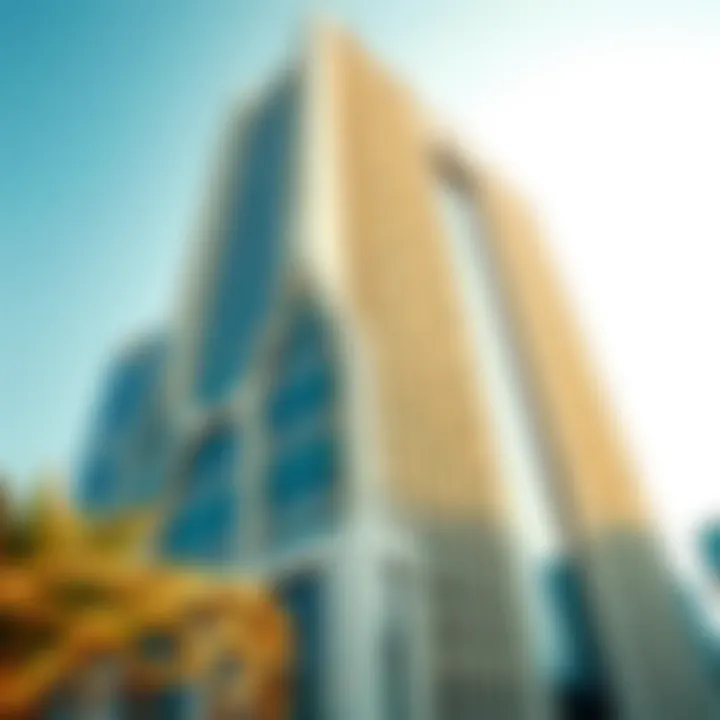
The choice of materials in Al Mulla Tower is a vital aspect of its architectural narrative. Made primarily of glass and steel, the use of these materials showcases modern engineering prowess. The glass façade, reflecting the sun's rays throughout the day, not only adds an elegant touch but also contributes to energy efficiency. This is important, considering Dubai's climate, where temperatures can soar.
Moreover, natural stone accents on the base lend a tactile richness and connect the modern edifice with the earth, reflecting traditional building practices in the region. The smooth curves and angular cuts of the building deliver a sense of fluidity, evoking the impression of movement—much like the bustling life around it. Intricate detailing, combined with open spaces within, encourages an organic flow between different areas of the tower. An appeal to both sharp architectural features and organic forms creates dynamic interactions with light and shadow, changing the tower’s appearance as the day progresses.
Influence of Islamic architecture
Islamic architecture's influence on Al Mulla Tower is evident, intertwining historical motifs with cutting-edge design. For instance, the incorporation of geometric patterns and arabesques serves not just as decoration but as a nod to the region's cultural heritage. These elements invite visitors into a dialogue between the past and the present.
The tower strategically uses Mashrabiya screens, an enduring symbol in Islamic architecture designed to provide privacy while allowing airflow. This element ensures a connection with traditional values while showcasing innovation. The rhythmic patterns of these screens create a stunning visual element that complements the modern design.
Sustainability initiatives
Al Mulla Tower's architectural features are not solely about aesthetics; sustainability plays a key role as well. The building employs state-of-the-art technologies to minimize its environmental footprint. A notable initiative is the integration of solar panels, which harness sunlight to power a portion of the tower’s energy needs.
Rainwater harvesting systems collect and reuse water, reducing consumption—a critical factor in arid climates. The tower also utilizes high-performance insulation in its walls and windows, curtailing energy usage for heating and cooling. In this vein, Al Mulla Tower aligns with Dubai’s vision for sustainable urban development, proving that architectural innovation can be harmonized with environmental responsibility.
In summary, the architectural features of Al Mulla Tower form a critical part of Dubai’s evolving identity. The blend of modern materials with traditional design cues, coupled with a commitment to sustainability, ensures this tower is not just a visual landmark but a symbol of the city’s multifaceted growth.
Economic Impact of Al Mulla Tower
The economic significance of Al Mulla Tower transcends its striking appearance on the Dubai skyline. Beyond being a visually stunning landmark, the tower plays a pivotal role in shaping the economic landscape of Dubai. Its design and functionality attract businesses and tourists alike, contributing greatly to the local economy. In an age where architectural marvels are not just for beauty but also for business, understanding the economic ramifications of the Al Mulla Tower reveals a multifaceted contribution to the city. With a steady influx of enterprise and leisure activities, the tower acts as a catalyst for growth in sectors like tourism, technology, and retail.
Attracting businesses
Since its inauguration, Al Mulla Tower has become a magnet for businesses looking to establish a foothold in Dubai. Many multinational corporations have found a home in its spacious offices, drawn by the promise of increased visibility and prestige associated with the tower. The strategic location of the tower near key business districts amplifies its allure, allowing tenants to thrive in a vibrant environment teeming with opportunities.
- The tower offers modern facilities, adaptable office spaces, and ample amenities that cater to the needs of diverse businesses.
- With state-of-the-art technology and smart building features, companies operating from Al Mulla Tower can enjoy efficiencies that enhance productivity.
- The proximity to transport links, such as the Dubai Metro and major highways, makes commuting easy for employees and partners alike.
As firms set up shop within its walls, the tower not only boosts the commercial real estate market but also drives job creation in various sectors, including finance, tech, and hospitality. Furthermore, partnerships and collaborations flourish in this dynamic atmosphere, with networking opportunities readily available for startups and established companies.
Boosting tourism
Al Mulla Tower does more than cater to local businesses; it contributes significantly to Dubai's vibrant tourism sector. As travelers flock to see the latest architectural gems, the tower has surfaced as a must-visit destination in its own right. Here’s how it enhances Dubai’s tourism scenery:
- Iconic Status: The unique design attracts not just business professionals, but also tourists eager to explore its architectural splendor and to capture stunning photographs of the tower.
- Cultural Events: The tower hosts numerous events that appeal to both locals and visitors, further intertwining its identity with the cultural fabric of Dubai. From art exhibitions to community gatherings, these activities encourage increased foot traffic.
- Retail Opportunities: The ground levels of the tower house retail spaces that cater to tourists, offering everything from local crafts to international brand names. Shoppers find solace in the variety, making it a shopping hub in the heart of the city.
Overall, the encroachment of tourism and business at Al Mulla Tower creates a synergistic effect, where both sectors feed off one another. This reciprocity fuels the economic engine of Dubai, allowing it to reach new heights while remaining a jewel of modern architecture.
Cultural Significance
Symbol of modern Dubai
Al Mulla Tower stands as a beacon in the heart of Dubai, reflecting the emirate's dramatic transformation over the last few decades. Its sleek design and towering presence symbolize not just the architectural ambitions of its creators but also the broader cultural aspirations of a city that has evolved from a modest trading post to a bustling metropolis. The tower has become a part of Dubai's identity, encapsulating both the rapid pace of development and the unique fusion of tradition and modernity.
The tower serves a dual purpose: it is a functional space accommodating businesses and a landmark that enhances the skyline. Just as a lighthouse guides ships in the darkest of nights, Al Mulla Tower offers a visual marker, drawing both residents and visitors alike. For expats and tourists, it is often the first point of reference when navigating the city's intricate layout. Its presence in the skyline reminds everyone that Dubai is a city that dares to dream big.
Moreover, Al Mulla Tower embodies the spirit of innovation that Dubai is known for. With each floor rising upward, it pushes the boundaries of conventional architecture, inspiring future skyscrapers to incorporate functionality and aesthetic beauty more seamlessly. In the ongoing conversation about what defines modern architecture, Al Mulla Tower certainly holds its ground as a symbol of progress, sparking dialogue about urban evolution in the region.
Art and community events
The cultural relevance of Al Mulla Tower extends beyond its architectural stature; it engages with the community in meaningful ways. The tower frequently hosts art exhibitions, community gatherings, and cultural events that resonate with local traditions while celebrating global influences. These events transform the tower from a mere office building to a venue for creativity and communal bonding.
- Art Exhibitions: Local artists have a platform to showcase their talents in the tower's integrated exhibition spaces. This not only promotes the vibrant art scene in Dubai but also provides artists with essential visibility.
- Cultural Festivals: The tower often participates in city-wide festivals, incorporating music, dance, and culinary experiences that reflect the multicultural landscape of Dubai. These celebrations attract a diverse audience, strengthening the sense of belonging among various communities.
- Workshops and Seminars: Regular workshops on topics ranging from architecture to technology engage citizens and students in discussions about the future. The tower serves as a hub for learning, bringing together intellectuals and learners.
Through these initiatives, Al Mulla Tower acts as a bridge—connecting people and ideas, artistic endeavors, and local culture with the global community. In a city that thrives on diversity, the tower encourages collaboration and inclusiveness, making it a vital player in shaping the cultural narrative of Dubai.
"Al Mulla Tower not only enhances Dubai's skyline but also enriches the community, proving that architecture can be both functional and a catalyst for cultural engagement."
In summary, the cultural significance of Al Mulla Tower transcends its physical structure. It is a living entity, weaving the stories of a diverse population while acting as a canvas for artistic expression. This intersection of architecture, culture, and community makes the tower a pivotal part of Dubai's ever-evolving narrative.
Technological Integration and Innovation
In the rapidly changing landscape of Dubai's architectural scene, Al Mulla Tower stands out not just for its striking design but also for its embrace of modern technologies. The importance of technological integration in contemporary architecture cannot be overstated, particularly in a city known for marrying innovation with tradition. With the ability to enhance functionality, improve energy efficiency, and provide a sustainable living and work environment, Al Mulla Tower exemplifies how innovative technologies can redefine urban life.
Smart building technologies
At the heart of Al Mulla Tower's technological prowess is its implementation of smart building technologies. These systems provide an integrated approach to managing a building’s operations. From intelligent lighting systems that adjust based on occupancy to climate controls that optimize energy use, the tower is equipped with extensive automation tools.
- Energy Management Systems: These monitor and manage energy consumption, ensuring that resources are used efficiently. For instance, sensors automatically adjust heating or cooling in vacant spaces.
- Enhanced Security Features: Technologically advanced security measures, such as biometric access systems and surveillance technology, contribute to safety without compromising aesthetic appeal.
- Connectivity: The infrastructure supports high-speed internet and communication systems, making it a hub for businesses. This connectivity not only attracts tenants but enables a seamless flow of information.
By integrating these technologies, Al Mulla Tower not only elevates its operational capacity but also contributes to Dubai’s broader goals of sustainability and innovation.
Impact on urban planning
The ripple effect of Al Mulla Tower’s smart technologies extends far beyond its walls, influencing urban planning in Dubai. The tower serves as a prototype for future infrastructure developments, encouraging the adoption of similar smart technologies across the emirate. This shift has significant implications:
- Sustainable Urban Development: As smart buildings like Al Mulla Tower become more prevalent, they push the envelope on sustainable living. The ability to reduce energy consumption and minimize waste becomes a critical aspect of urban planning.
- Improved Quality of Life: Integrating technology into buildings enhances the living and working conditions for residents and employees. Features such as smart parking and advanced waste management systems not only provide convenience but streamline daily functions, thus improving overall life quality.
- Connectivity and Mobility: The greater use of smart technologies leads to more connected neighborhoods. This can prompt improvements in public transport systems and other city services, effectively making life easier for everyone in Dubai.
"Technological integration is not merely an enhancement; it’s a necessity for urban landscapes aiming for sustainability and efficiency."
Through its architectural vision and technological innovation, Al Mulla Tower is not only a landmark but a vibrant part of Dubai’s future narrative, illustrating how the integration of technology can fundamentally reshape urban environments. As Dubai forges ahead, this tower serves as an enduring model for the fusion of tradition and high-tech living.
Challenges Faced
Al Mulla Tower stands as a beacon of modernity and resilience against the backdrop of Dubai's ever-evolving landscape. Yet, it faces its share of challenges that affect not just its operations, but also its significance within the architectural sphere of the city. Understanding these challenges is vital for grasping the full context of the tower's role in the urban environment and the broader implications for future developments within Dubai.
Environmental concerns
The conversation around environmental sustainability is becoming hotter by the day, especially in a city like Dubai, where rapid development can often come at a cost to the environment. Al Mulla Tower, designed with forward-thinking in mind, has still encountered environmental concerns that need addressing.
- Energy consumption: With skyscrapers like Al Mulla Tower, one of the biggest worries is energy use. The tower utilizes cutting-edge technologies to manage its energy consumption; however, the sheer size and scale present ongoing challenges to minimizing its carbon footprint.
- Waste management: Being a hub for corporate offices and commercial spaces, the tower generates significant amounts of waste. With a zero-waste policy gaining traction, how well Al Mulla Tower implements such practices is under scrutiny.
Many wonder if the building's innovation will truly translate into sustainable practices. The push for greener solutions is crucial because it can attract tenants who are environmentally conscious – a demographic that's growing steadily.
Market fluctuations
Then there's the rollercoaster ride of market fluctuations that can rattle even the tallest of towers. Al Mulla Tower, while a prominent address, isn't immune to the ups and downs of the economy.
- Real estate market: The real estate market in Dubai has seen its fair share of highs and lows. After a booming period, market cooling can pressure businesses to reconsider their physical spaces. A drop in demand could influence tenancy rates in Al Mulla Tower, thus impacting its overall economic viability.
- Investment climate: International investors often eye Dubai with keen interest, but uncertainties in the global economy can make them hesitate. Should the investment climate shift negatively, it could result in less investor confidence in marquee developments like the Al Mulla Tower.
In a city known for its ambition, addressing these market fluctuations is not just about survival; it’s about ensuring that Al Mulla Tower continues to symbolize growth and innovation. As it stands now, the tower represents a dual narrative – a testament to architectural innovation and a reminder of the volatile nature of success.
Future Developments
As Dubai continues to morph and adapt, the concept of future developments takes on a crucial role in the city's architectural narrative, particularly concerning Al Mulla Tower. This segment explores the upcoming enhancements associated with the tower, spotlighting how these changes will not only elevate the structure itself but also contribute positively to the broader urban fabric of Dubai. The future developments surrounding Al Mulla Tower hinge on a series of well-planned expansions and initiatives that echo Dubai's ambition as a global hub for trade, tourism, and innovative living.
Planned expansions
Future expansions are on the horizon for Al Mulla Tower, with architects and urban planners collaborating to create additional spaces that will enhance its functionality and aesthetic appeal. Among these developments are:
- Vertical expansions: Proposals are under consideration to increase the tower's height, enabling it to accommodate more office spaces and possibly even residential units. This could potentially shift the skyline yet again, reinforcing Dubai's reputation for daring architecture.
- Landscaped surroundings: Enhancing the outdoor spaces surrounding the tower is another pivotal aspect of the future developments. Plans include creating landscaped parks and walkways that not only provide leisure areas for employees and visitors but also contribute to the green space in Dubai.
- Integration of mixed-use spaces: This involves incorporating retail and dining options within the tower. The idea is to transform Al Mulla into a vibrant community hub where business professionals can work, eat, and socialize, thereby enriching everyday experiences within the city.
Role in Dubai's Vision for the Future
Al Mulla Tower serves as more than just a structural entity in Dubai’s skyline; it embodies the emirate's broader objectives in urban development and sustainable living. As outlined in Dubai's Vision 2040, the tower's future is interwoven with several critical strategies:
- Sustainability Integration: Continued efforts are being made to involve sustainable design practices in future expansions. The city aims for all new developments to prioritize energy efficiency and environmental responsibility. Al Mulla Tower is likely to incorporate more green technologies, like solar panels and intelligent energy systems, into its framework.
- Urban Connectivity: Enhancements to the surrounding transportation infrastructure will connect Al Mulla Tower more effectively with essential parts of the city. Future development plans include improved access to public transit, making it easier for visitors and workers to reach the tower without relying heavily on cars.
- Cultural Enrichment: As part of its evolution, Al Mulla Tower is set to become a focal point for community events and cultural initiatives. This aligns with Dubai's aim to promote cultural engagement and diversity, reinforcing a sense of belonging among its residents.
By investing in future developments, Al Mulla Tower will not only inspire a new generation of architects and urban planners but also symbolize Dubai's relentless march towards a futuristic and inclusive urban landscape. As these changes unfold, they will undoubtedly shape the city's identity for decades to come, fostering pride among locals and intrigue from global citizens.
Comparative Analysis
The section of comparative analysis offers a crucial lens through which we can understand the context and significance of Al Mulla Tower within the broader architectural panorama of Dubai. This analysis assists in appreciating not just the design and functionality of Al Mulla Tower but also its standing when placed alongside other notable skyscrapers in the emirate. By juxtaposing these structures, we can discern trends, innovations, and the evolving identity of Dubai as a global architectural hub.
Al Mulla Tower vs. other skyscrapers in Dubai
When placed next to towering giants such as the Burj Khalifa or the Emirates Towers, Al Mulla Tower presents a different narrative. Its architectural design showcases an evolution from merely height-centric structures to a focus on holistic urban integration. The functional aesthetic of Al Mulla Tower emphasizes community interaction, blending seamlessly with its surroundings, whereas structures like the Burj Khalifa epitomize the vertical ambition of Dubai.
- Height and Scale: Al Mulla Tower, while impressive, does not pursue the extreme height that other skyscrapers do. Instead, it promotes efficiency and functionality tailored for business and community uses.
- Design Philosophy: Its design reflects a modern approach influenced by traditional elements, which is seen in many Dubai towers where the fusion of cultural aesthetics is prevalent.
- Purpose and Use: Al Mulla Tower serves as an office space, thus catering directly to the burgeoning business scene. In contrast, the Burj Khalifa’s function as a mixed-use structure includes tourism and luxury residences, making its appeal broader but less targeted.
Global skyscraper trends
Looking beyond Dubai, we can spot a vibrant tapestry of skyscraper trends sweeping across the globe. These trends not only signify architectural innovation but also resonate with broader cultural shifts in urban living.
Key trends include:
- Sustainability: Skyscrapers are now designed with sensitivity to environmental concerns, incorporating green building practices and energy-efficient technologies. Cities worldwide are starting to favor urban planning that minimizes their carbon footprints.
- Smart Technologies: With the advent of the Internet of Things (IoT), buildings are becoming more than just stationary structures. Integrative approaches, such as smart lighting and climate control, enhance operability and comfort, making skyscrapers more livable.
- Human-centric design: There's a visible shift towards creating spaces that prioritize the inhabitants' beauty and usability. This means larger open areas, more natural light, and lush greenery integrated into urban architecture.
"The strategic decisions taken in designing skyscrapers today echo the ambitions of our time, blending technology, sustainability, and community well-being into one coherent narrative."
As the global skyline continues to evolve, so does Al Mulla Tower, playing its own unique role within this international mosaic. Through these comparisons and considerations, we not only recognize the importance of Al Mulla Tower in Dubai's skyline but also identify the interconnectedness of architectural innovations worldwide.
Finale
In assessing the multifacted influence of Al Mulla Tower, it becomes abundantly clear that this architectural marvel does far more than punctuate Dubai's skyline. It stands as a robust testament to the city's evolution—one that bridges historical roots with futuristic aspirations. The conversation surrounding Al Mulla Tower encapsulates vital themes, such as urban growth, economic utility, and cultural resonance.
Summary of key insights
- Architectural Significance: The design elements of Al Mulla Tower, from its unique structural forms to the materials used, reflect a blend of modernity and traditional Islamic motifs. This is not just a building; it’s a narrative captured in concrete.
- Cultural Impact: By hosting community gatherings and art events, the tower fosters a local cultural scene, making it more than just an office space but also a hub of creativity.
- Economic Benefits: Serving as a magnet for businesses, the tower has subtly transformed the economic landscape of Dubai. Its presence is a beacon for investment, which, in turn, boosts local employment.
- Sustainability Initiatives: In the face of growing environmental concerns, Al Mulla Tower has integrated sustainable practices into its framework, setting a standard for future developments in the emirate.
Final thoughts on Al Mulla Tower
Al Mulla Tower isn't merely a structure; it's a living symbol of Dubai's relentless ambition and its quest for innovation. As we look toward its future and consider potential expansions, this building may very well play a critical role in the trajectory of Dubai’s urban planning initiatives. In a city renowned for its sky-high ventures, Al Mulla Tower reminds us that the path of progress is rooted in a community’s engagement, historical narratives, and strategic foresight.
Ultimately, the tower encapsulates the essence of Dubai itself: a city willing to balance tradition with innovation, all while gazing into the horizon of possibility. One can't help but wonder what the future holds as this landmark continues to influence the narrative of the emirate, positioning itself as a pivotal piece in the ever-evolving story of urban development.