Champion Tower: An Architectural Analysis of Dubai's Icon


Intro
In the ever-evolving landscape of Dubai, the Champion Tower stands at the forefront, an architectural marvel that not only enhances the city's skyline but also encapsulates its cultural essence. This building is more than just a structure; it's a narrative of ambition, innovation, and community spirit. The modern world often looks at skyscrapers as mere symbols of wealth or prowess; however, Champion Tower invites a deeper exploration. Through its design and engineering feats, it has become a focal point that draws expatriates, tourists, entrepreneurs, and students alike into the rich tapestry of Dubai's urban life.
Every corner of this towering structure tells a story—one that intertwines with the socio-economic dynamics of the region, reflecting the rapid urbanization that has come to define Dubai. As we embark on this critical exploration, we will uncover the multifaceted nature of Champion Tower, not only as a testament to architectural ingenuity but also as a linchpin in the vibrant community that thrives around it.
Culture Insights
Traditions and Festivals
The Tower's significance isn’t just confined to its physical stature. It acts as a landmark during several local celebrations that flourish within the city. For instance, during the vibrant festivities of Eid, the building often becomes a canvas for elaborate light displays, showcasing traditional motifs that bridge the gap between modernity and cultural heritage. This visual feast solidifies the Tower's status as a cultural beacon, inviting residents and visitors to share in the community's joy and pride.
Furthermore, events such as the Dubai Shopping Festival see the Champion Tower play a pivotal role. Shop owners and businesses in its vicinity collaborate to create a fusion of local music, art, and food, thereby transforming the area into a vibrant hub that harmonizes commerce and culture.
Art and Entertainment
At the heart of Dubai’s art scene, Champion Tower serves as a backdrop for various exhibitions and performances that enrich its surroundings. It's not unheard of for artists to showcase their works in the plaza adjacent to the building, drawing attention to local talents and encouraging community engagement. In particular, pop-up art installations and outdoor performances become a common sight, fostering a cultural discourse amidst the hustle and bustle of urban life.
Moreover, the entertainment options nearby are as diverse as the city’s demographics. Rooftop lounges, performance spaces, and art centers nestled around the Champion Tower present a vibrant mix of activities that cater to both locals and tourists. This symbiotic relationship between the Tower and surrounding offerings contributes to a lively atmosphere that celebrates artistic expression alongside architectural splendor.
Economic Developments
Business Opportunities
Awarding a business address to many, Champion Tower is strategically positioned to attract entrepreneurs and investors. This offers significant networking prospects, feeding into Dubai's status as a global business hub. Startups often find inspiration from the Tower's imposing presence and the dynamic companies operating within its walls. Furthermore, the local economy thrives from the influx of international companies looking to establish a foothold in an ever-growing market.
The projects tied to the Tower stimulate a range of industries—real estate, hospitality, retail. Each facet plays a crucial role in maintaining the city's economic prowess, reaffirming the importance of structures like Champion Tower in Dubai's cityscape.
Real Estate Trends
Real estate around Champion Tower also showcases emerging trends reflective of larger market movements. The area has experienced a surge in demand for high-end residential units, driven by expatriates and professionals seeking prime locations close to work and social activities. This aligns perfectly with the Tower’s stature that inspires such a clientele to seek residence nearby.
In addition, the Tower becomes a focal point for luxurious developments and upscale living options that accommodate the tastes of a discerning market. As the urban environment continues to evolve, the impact of the Champion Tower on property values cannot be overstated. Real estate agents frequently cite the proximity to such an iconic structure as a valuable selling point, indicative of the Tower's influence beyond its immediate architectural significance.
"The landscape of Dubai, with its ambitious structures, is not merely decor; it is a reflection of aspirations, dreams, and the community's heartbeat."
Through examining the depth of Champion Tower's impact, from its architectural resolve to its socio-economic contributions, we can glean insights that speak to the very core of urbanization in an ever-globalizing world. As we move forward, this article will continue to peel back the layers around Champion Tower, revealing the insights embedded within its walls.
Prelims to Champion Tower
The Champion Tower captures the essence of Dubai's relentless pursuit of architectural excellence. It's not merely a building; it embodies the evolution of a city that has transformed dramatically over the past few decades. Understanding the significance of this tower is essential to grasp the broader narrative of urban development in Dubai. The discussion here is multifaceted, addressing both the physical aspects of the structure and its socio-economic impact.
Overview of the Structure
Standing proudly in the busy landscape of Dubai, the Champion Tower is a striking example of contemporary design. With its towering height and unique facade, it has become a recognizable element in Dubai's skyline. The building incorporates cutting-edge materials and innovative engineering techniques, showcasing the potential of modern construction. The sleek glass exterior reflects sunlight, creating an interplay of light and shadow that changes throughout the day, making the tower a dynamic part of the urban environment.
The floor plan is designed to maximize functionality while offering breathtaking views of the city. This makes the Champion Tower not only visually appealing but also practical for its tenants, fulfilling the need for versatile space in a bustling metropolis. The architectural design pays homage to traditional Arabic motifs while pushing the envelope of modern aesthetics.
Historical Context
To appreciate the significance of the Champion Tower, one must look back at the historical backdrop of Dubai's transformation. In the late 20th century, the city embraced globalization and modernity, leading to a construction boom. Champion Tower was conceived during a time when Dubai sought to position itself on the world stage as a leading business hub.
The rise of such skyscrapers reflects the ambitions of a city to redefine its identity. They symbolize not just architectural prowess but also the aspirations of its residents and investors. As Dubai continues to grow, understanding these historical developments allows us to comprehend how the Champion Tower fits into a larger narrative of urbanization and development in the region.
"In just a few decades, Dubai has evolved from a modest trading post into a global city, with its iconic buildings telling the story of this remarkable journey."
The Champion Tower stands at the confluence of architectural ambition, economic growth, and cultural integration, making it essential not only to Dubai’s skyline but also to its very identity.
Architectural Significance
The architectural significance of Champion Tower extends far beyond its imposing height and glamorous façade. It is an embodiment of the dynamic urban evolution that Dubai has undergone over the past few decades. Examining this structure through a lens focused on architecture reveals not just aesthetic or functional considerations, but also the deeper cultural, historical, and socio-economic narratives woven into its design and construction. Champion Tower does not simply occupy space; it shapes the identity of the skyline and, by extension, the city itself.
Design Philosophy
The design philosophy behind Champion Tower is rooted in the idea of modernism intertwined with cultural resonance. This skyscraper was crafted not just for function, but to be a representation of the city's progressive spirit. It's striking, sleek lines aim to represent the wind, capturing the essence of motion and fluidity.
- Emphasizing Functionality: One of the core tenets of its design is to maximize utility, allowing for multifaceted use, whether it be for residential, commercial, or recreational purposes. The layout efficiently utilizes space without falling prey to chaotic configurations often seen in urban structures.
- Cultural Reflection: The motif and symbols intentionally incorporated into the design elements communicate local traditions. For instance, some patterns evoke elements found in traditional Islamic architecture, a nod to the region's rich heritage.
Champion Tower serves a dual purpose—harboring innovation while remaining palpably connected to its roots, making it a model for future urban developments across the globe.
Materials and Techniques
In the realm of modern architecture, the materials and techniques utilized in constructing Champion Tower are pivotal to its structural integrity and aesthetic appeal. The use of cutting-edge methods and high-quality materials not only defines its visual character but also plays a crucial role in defining sustainability.
- State-of-the-Art Materials: The primary materials include reinforced concrete and glass, which not only enhance visual transparency but also provide robust structural support. The glass façade allows natural light to flood interior spaces, making them feel more vibrant and less sterile.
- Innovative Construction Techniques: The project utilized advanced building techniques such as prefabrication, which accelerated the development timeline while minimizing waste. This was particularly important in the context of Dubai’s rapid urbanization, where time is often of the essence.
By focusing on innovative materials and construction approaches, Champion Tower not only meets the demands of modern urban living but also establishes a benchmark in architectural excellence, showing other cities what is possible when tradition meets forward-thinking design.
Engineering Marvels
The Champion Tower serves as a shining example of what modern engineering can achieve in an urban environment. Its unique design and construction techniques not only reflect the ambition of Dubai, but they also highlight significant engineering feats that contribute to its notoriety. The building has become a hub of innovation, encapsulating elements that push boundaries in structural design and environmental sustainability. Understanding these marvels sheds light on how they enhance both the functionality and aesthetic appeal of the tower, along with the implications of these advancements on future urban projects.
Structural Innovations
The structural components of Champion Tower are nothing short of revolutionary. From its foundation to its spire, every element has been meticulously crafted to withstand the unique environmental challenges of the region. Utilizing high-strength concrete and steel, engineers have created a framework that defies conventional limits, allowing the tower to reach extraordinary heights without compromising safety.
A significant innovation is the implementation of a damping system. This technology allows the tower to withstand both wind forces and seismic activity, which is crucial given Dubai's increasing number of high-rises and the inherent risks from natural forces. This system uses mass dampers to reduce motion during adverse weather or seismic events, ensuring a stable experience for occupants and visitors. As the building sways, these dampers move in the opposite direction, significantly mitigating discomfort and potential damage.
"In many ways, the structural innovations of Champion Tower represent a confluence of aesthetic vision and engineering precision, providing a foundation for future architectural endeavors."
These structural advancements not only make the tower a safe place to work and live but also serve as an educational example for aspiring engineers. Universities and professional institutions often refer to its design in curriculum discussions, illustrating just how forward-thinking the project is.
Sustainability Considerations
Sustainability in urban development has become increasingly crucial, and the Champion Tower addresses this concern head-on. Through the careful selection of materials and energy-efficient technologies, the building exemplifies a commitment to ecological preservation which resonates strongly with the values of a growing segment of the global population.
One of the standout features of the tower is its use of solar panels that are seamlessly integrated into its facade. These panels not only contribute to lighting and energy needs but also significantly reduce the overall carbon footprint of the building. Additionally, smart building technologies optimize energy usage by regulating heating, cooling, and ventilation based on occupancy patterns. This foresight minimizes wastage and demonstrates an understanding of resource stewardship, particularly important in a region noted for its harsh climate conditions.
Moreover, from its inception, various water conservation systems were implemented. These systems recycle greywater and supplement irrigation needs for surrounding greenery, establishing a sense of balance between urban life and nature.
Incorporating these sustainable practices enhances the Champion Tower's appeal. Today, more than ever, potential tenants and business owners prioritize spaces that reflect a sustainability agenda. The Champion Tower isn't just a place to work; it represents a lifestyle choice that aligns with a broader movement toward environmental consciousness in urban centers around the globe.
For additional insights on sustainability in urban architecture, visit Wikipedia or Britannica.
By examining the structural innovations and sustainability considerations of the Champion Tower, one can appreciate how engineering marvels in this urban icon are not merely technical achievements; they are also responses to growing global challenges, setting a benchmark for the architecture of tomorrow in Dubai and beyond.
Cultural Implications
In analyzing the Champion Tower, one cannot overlook its cultural implications within Dubai. This skyscraper isn't just a feat of engineering, but a touchstone for identity, representing the diverse tapestry of life in this cosmopolitan city. Through examining how the tower influences local identity, and the role it plays in the expatriate community, we can see how it transcends mere aesthetics.
Impact on Local Identity
Champion Tower stands tall as a beacon of modernity, anchoring itself deeply in the narrative of Dubai’s evolving identity. The tower symbolizes the aspirations and dreams of many locals, embodying their ambitions as the city rapidly transforms into a global hub. It becomes a landmark that resonates with the rich heritage of its surroundings, reminding residents of their roots while pushing them to look toward the future.
Residents often share stories of their experiences in the shadow of this monumental structure. For instance, young Emiratis might gather at its base, discussing their goals in life, using the tower as a backdrop, which strengthens the community's bond. Events, exhibitions, and festivities held in the area also showcase local talent and culture, enhancing this structure’s connection to the people.
Moreover, the juxtaposition of modernity against traditional elements found nearby serves to foster a dialogue. It encourages locals to reconcile their historical identity with contemporary advancements. Such conversations are vital in a city characterized by constant change, where the past and present coexist.
Role in Expatriate Community
The Champion Tower embodies more than just local pride; it stands as a testament to the expatriate spirit that thrives in Dubai. With a sizable population hailing from all corners of the globe, the tower becomes a shared point of reference among diverse communities. It's a physical representation of the dreams many expatriates pursue.


Many expatriates view the Champion Tower not only as an architectural marvel but as a symbol of opportunity. When they first arrive in Dubai, this tower might be one of the first structures they notice, reflecting the prosperous environment in which they aim to establish their livelihoods.
Throughout the year, numerous cultural events and gatherings are organized within the vicinity of the Champion Tower that cater to the expatriate community. These events often blend varied traditions and festivities, showcasing a melange of cultures coexisting harmoniously.
This multicultural aspect strengthens the sense of belonging and unity among the expatriates, as they form networks and friendships that transcend language barriers. For anyone visiting or moving to Dubai, a glimpse of the Champion Tower might ignite feelings of hope and possibility – it's a reminder that they too are part of this dynamic journey.
"The Champion Tower serves as a microcosm of Dubai itself – a vibrant confluence of varied cultures intersecting under one skyline."
In summary, the Champion Tower plays a pivotal role in shaping the cultural landscape of Dubai, fostering a sense of identity for locals and expatriates alike. Through its representations and associations, it highlights the nuances of living in a city that thrives on diversity and modernity.
Economic Factors
Economic considerations play a pivotal role in understanding the significance of the Champion Tower in Dubai. The dynamics of real estate and the attraction for business investments are critical points that underscore its impact on the local economy. As a well-structed icon, it conveys much more than just a physical structure. It embodies the economic vigor and aspirations of a modern urban environment in an ever-evolving city like Dubai.
Influence on Real Estate Market
The Champion Tower has stirred considerable interest in Dubai's real estate market. By virtue of its height, design, and strategic location, it has become a desirable address for both residents and businesses. The value of properties in the vicinity has seen a notable increase due to the tower’s presence. Buyers often seek properties with impressive views of such landmarks, leading to a surge in demand.
Plus, the tower has enhanced the status of its surrounding area, making it a hotspot for luxury apartments and commerciaux spaces. This phenomenon isn’t unique. Similar towers globally have consistently influenced their local real estate landscapes. Factors to consider include:
- Increased property values: Local properties often leap in value as potential residents or investors are attracted by the tower’s prestige.
- Development of amenities: The presence of such an iconic building often leads to improved infrastructure in the area, including shops, restaurants, and recreational spaces.
- Attracting diverse residents: Expatriates seek apartments that provide not just a roof over their heads but an entire lifestyle.
This dynamic illustrates how a singular architectural feat can ripple through an entire market, affecting prices and standards. Once a building elevates its locality, other developments tend to follow suit, crafting a more attractive urban setting.
Attraction of Business Investments
Moreover, Champion Tower has become a beacon for business investments. The prestige associated with iconic architectures often tempts investors and multinational corporations. They associate buildings like the Champion with success, stability, and future growth opportunities. The tower serves as not just a physical presence but a symbol of the city’s ambitions.
Key aspects to note include:
- Corporate identity: Companies looking to establish a strong brand presence are drawn to such high-profile buildings.
- Networking opportunities: The concentration of businesses in the vicinity allows for synergistic interactions.
- International appeal: As Dubai continues to attract global entrepreneurs, structures like Champion Tower signal that this city is a player on the world stage.
Investing in properties near significant landmarks has shown to yield high returns.
Urban Landscape
The Urban Landscape surrounding the Champion Tower plays a pivotal role in understanding its significance within Dubai’s ever-evolving metropolis. In simple terms, the urban landscape encompasses much more than just the buildings; it involves the cultural, social, and economic fabrics that weave together to create the environment in which people live, work, and interact.
Integration into Dubai's Skyline
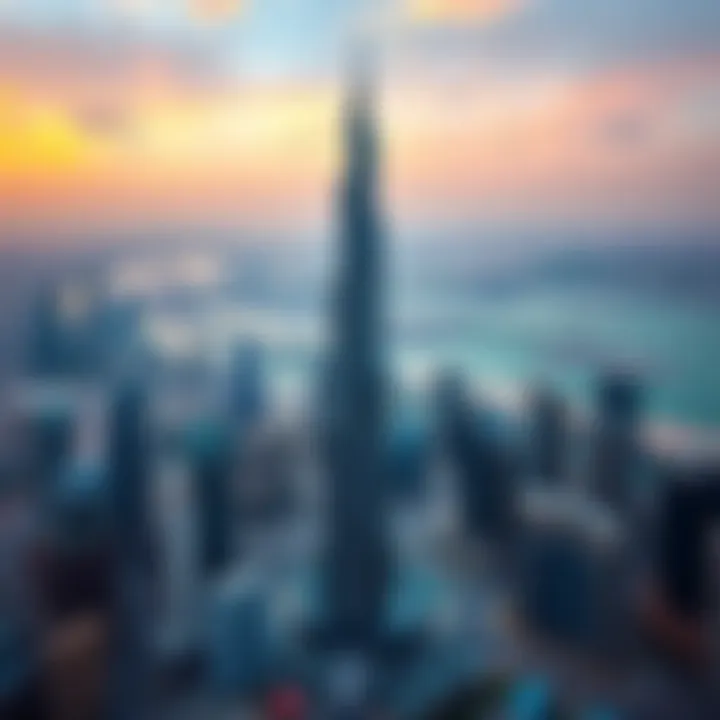
The integration of Champion Tower into Dubai's skyline is nothing short of remarkable. It isn’t just another building; it’s a symbol of ambition and progress. Perched among its taller counterparts, Champion Tower embraces the harmony of contemporary design and cultural aesthetics. The tower stands tall at over 400 meters, offering both luxury and functionality in one impressive structure. Each floor curves gracefully, creating an illusory lightness that belies its height.
Apart from its physical presence, Champion Tower contributes to the ongoing narrative of Dubai’s architectural evolution. It has become a landmark, serving as a virtual compass for newcomers trying to navigate the sprawling urban wilderness. The tower juxtaposes older, traditional structures nearby, illustrating the city’s dynamic transition from its modest trading past to its current global hub status.
Moreover, the way the tower is lit at night adds another layer of depth to its integration into the skyline. When illuminated, it casts a glow that reaches far and wide, beckoning both locals and tourists alike. This visual prominence reinforces its role in the urban fabric, bridging cultural divides and fostering a sense of community among residents.
Symbolism in Modern Architecture
Champion Tower embodies the essence of modern architecture in several compelling ways. Its sleek lines and modern materials like glass and steel demonstrate a commitment to innovation that reflects Dubai's aspirations on the world stage.
At a deeper level, the architecture speaks volumes about the values of resilience and ambition inherent in the city’s growth narrative. The use of space within Champion Tower emphasizes efficiency, showcasing how urban planning can blend functionality with aesthetic appeal. It is a space that invites collaboration and creativity, essential in a city which thrives on diversity and dynamic exchanges.
Moreover, the tower's high-tech features symbolize a quest for sustainability; it not only serves as a physical structure but also as an educational tool for aspiring architects and urban planners. Future developments may take cues from its design, blending modernity with sustainability, ensuring that urbanization continues to progress without compromising the environment.
"In a city known for its lavish developments, Champion Tower stands as a testament to Dubai's architectural evolution, fusing modernity with cultural essence."
In summary, the urban landscape, especially regarding the integration and symbolism of the Champion Tower, offers vital insights into Dubai’s identity. This landscape reflects the ongoing transformation and serves as a canvas where future stories of urban innovation will continue to unfold.
For more information on urban landscapes and architectural significance, visit Wikipedia: Urban Landscape or Britannica: Architecture.
Challenges and Critiques
In examining the Champion Tower, it’s vital to address the challenges and critiques that surround its existence. While the structure stands as a high point for architectural achievement, it also brings forth a collection of issues that cannot be overlooked. These critiques often reflect the broader discourse surrounding urban development in Dubai and its impact on the environment and society.
Criticism of Urban Overdevelopment
Urban overdevelopment is a pressing concern in a city like Dubai, where buildings shoot up like weeds in spring. The Champion Tower itself, with its towering stature, is both a marvel and a symbol of this rapid urbanization. Critics argue that such developments lead to a homogenization of the cityscape, where character and cultural diversity suffer in favor of sheer size and luxury.
Some voices in the community point out that the relentless push for skyscrapers often neglects essential public spaces and affordable housing. The predominance of large structures can create a disconnect among residents, as the city shifts towards catering primarily to tourists and high-income expatriates. The once vibrant neighborhoods that characterized Old Dubai are slowly being replaced with exclusive villas and shopping centers, erasing historical richness.
These concerns highlight an ongoing debate about what kind of urban environment is desirable and sustainable for future generations. Moreover, while the Champion Tower offers residents lavish amenities, it raises questions about the accessibility of such wealth and the growing gap between different populations.
Environmental Concerns
Turning our gaze to environmental implications, the Champion Tower exemplifies the architectural wonders that also tread heavily on ecological considerations. Dubai’s climate is notoriously harsh, making energy consumption for cooling a significant issue. Critics have raised alarms over the extensive energy demands of high-rise buildings, with the Champion Tower contributing its fair share to the city’s carbon footprint.
The design includes state-of-the-art systems for energy efficiency, yet these efforts may not fully mitigate the environmental damage. Many argue there’s a need for more stringent environmental regulations that not only enforce energy efficiency but also promote green spaces around urban structures. As towers loom large, the surrounding ecosystem often diminishes, exacerbating issues like urban heat islands and loss of biodiversity.
"The race to build taller and shinier almost always overlooks the whispered needs of the planet, preference being given to glass and steel instead of greenery and wildlife."
There’s also the broader impact on water resources, with the demand for clean water intensifying alongside increased population density. Constructing lavish developments like Champion Tower can strain the already overburdened resources in the region.
In essence, while Champion Tower stands as an impressive feat, it also reflects the complexities and drawbacks that come with urban growth. Addressing the criticism of urban overdevelopment and rising environmental concerns is essential for fostering a balanced and sustainable future for both the city and its inhabitants.
Future Prospects
Exploring the future prospects of the Champion Tower sheds light on its ongoing relevance in a rapidly evolving urban landscape. As Dubai continues to expand and innovate, the implications of towering structures like Champion Tower become increasingly significant. This section delves into anticipated trends that will shape urban development and how the long-term vision for Dubai's cityscape reflects the broader goals of sustainability, community engagement, and technological advancement.
Predicted Trends in Urban Development
Urban development in Dubai is set to undergo substantial transformations over the next few years. With plans for several mega-projects, including the Dubai Creek Tower and the Dubai Urban Master Plan, the architectural narrative is ever-changing. Key trends to watch include:
- Emphasis on Sustainability: As environmental concerns rise globally, new constructions are likely to prioritize green technologies, energy efficiency, and sustainable materials. Developers may explore solutions such as vertical gardens, advanced recycling systems, and water conservation techniques.
- Smart City Initiatives: Incorporation of technology into urban planning is expected to enhance life in cities. Smart infrastructure, including integrated transportation systems and IoT-enabled services, will become prevalent. Champion Tower, with its emphasis on innovation, could set examples for future developments.
- Mixed-Use Development: The tendency to blend residential, commercial, and recreational spaces will likely increase. This trend not only serves to create vibrant urban hubs but also caters to the preferences of expatriates and locals alike who seek convenience and community engagement.
- Heightened Focus on Public Spaces: There's a growing recognition of the importance of parks and recreational areas. The balance between skyscrapers and green spaces will be crucial, making developments like Champion Tower worthy of integration into natural landscapes.
"In a city that never sleeps, it's the spaces between the skyscrapers that help the soul breathe."
Long-Term Vision for Dubai's Cityscape
The long-term vision for Dubai is outlined in its urban strategies, emphasizing the need to create a city that is not only a global hub but also a sustainable, livable environment. In this regard, the legacy of the Champion Tower will play a pivotal role in shaping the future of urban architecture. Key aspects of this vision include:
- Global Competitiveness: As Dubai aims to position itself as a leader in various industries, urban projects will be evaluated on how they enhance economic prospects through business-friendly environments and innovative designs.
- Cultural Integration: Future developments will likely reflect Dubai’s multicultural identity, showcasing architectural styles from around the globe while promoting local heritage. Champion Tower's design may inspire similar projects that celebrate cultural diversity.
- Connectivity: Improving transportation links, both internal and external, will be essential. Designing infrastructure that connects people more seamlessly will be a priority, ensuring that the spirit of innovation is embedded throughout the urban fabric.
- Resilience to Climate Change: With climate unpredictability as a looming threat, Dubai's future structures must be designed to withstand environmental shifts. This calls for ongoing investments in resilient architecture, which Champion Tower can exemplify as a pioneer.
The foresight in Dubai's planning efforts thus aims not just for short-term gain but for enduring impact, ensuring that structures like Champion Tower represent not only where the city stands today, but also where it is headed tomorrow.
The End: The Legacy of Champion Tower
The Champion Tower is not just another high-rise; it serves as a beacon of what modern architecture can achieve within the fast-paced urban landscape of Dubai. Its significance transcends mere aesthetics, gripping the city's identity and aspirations. Examining Champion Tower allows for a broader conversation about architectural evolution—both locally and globally. With its striking forms and innovative design, the tower embodies a blend of culture and ambition that defines Dubai's rush towards modernity.
This legacy is underscored through its multifaceted impact on society. It stands not merely as a product of architectural ambition but also as a key player in shaping the urban narrative of Dubai. By intertwining culture, economy, and identity in its structure, Champion Tower challenges conventions, urging a re-evaluation of urban spaces in metropolitan areas worldwide.
While skyscrapers are often celebrated for their height, Champion Tower prompts consideration of what such structures represent. They are more than just buildings; they reflect the aspirations and challenges of the societies they inhabit. In considering its legacy, we must ponder how future structures can learn from this iconic example to create spaces that resonate with sustainability and cultural richness.
Reflections on Urban Innovation
Looking back at Champion Tower, one can see a microcosm of urban innovation at play. The very essence of urban design today is driven by a blend of technology, sustainability, and community needs. Champion Tower showcases not just an ambition for height but also provides an essential commentary on the direction urban spaces should take. For instance, integrating eco-friendly initiatives into its design showcases a commitment to sustainable growth—an aspect crucial for future urban developments worldwide.
Benefits of these innovations include reduced energy consumption, better resource management, and an overall enhanced quality of life for inhabitants and visitors. Urban innovation requires constant reflection on what is important to a city’s citizens. Champion Tower exemplifies how this can lead to improvements in urban connectivity and social dynamics. The melding of visitors with locals, professionals with tourists, creates a thriving environment that illustrates the potential of intentional design.
Final Thoughts on Global Architecture
In a world where cities are vying for attention, Champion Tower stands tall as a defining feature of Dubai’s skyline, echoing sentiments found in other major urban centers around the globe. It prompts observers to consider the evolving definition of architecture. Here, the idea of what constitutes a “global architecture” takes root. Is it just about the tallest or the most luxurious? Or is it rooted in serving a community's needs effectively?
Ultimately, the Champion Tower serves as not just a monument but as a framework for understanding how global architecture should evolve. In contemplating its place in the great pantheon of urban icons, it becomes clear: the future will necessitate a thoughtful balance between aesthetics, functionality, and cultural relevance.
"A building is not only a place to be but a way to be—a representation of life itself and the dreams it holds."
As we look ahead, the lessons from Champion Tower will undoubtedly inform the next wave of architectural endeavors, setting standards not only for Dubai but inspiring cities across the globe to embrace innovation while anchoring their designs in the cultural frameworks in which they exist.