Exploring Dubai's Unique Cultural and Economic Landscape
Intro
Dubai is a city that stands as a beacon of progress and luxury in the heart of the Middle East. This oasis in the desert marries tradition with modernity in a way that is downright fascinating. Understanding this unique cultural and economic landscape is crucial, especially for those who are part of, or are looking to join, the community of expatriates, tourists, entrepreneurs, and students.
The allure of Dubai can be felt not just in its towering skyscrapers or lavish shopping malls but in its rich cultural tapestry and the rapidly evolving economy. As this city continues to grow, it remains essential to grasp the intricate details that shape daily life here, laying the foundation for a comprehensive perspective.
In this article, we will take a closer look at various aspects of Dubai’s environment. Topics like local traditions, art, and the bustling business scene will be explored. We’ll dive into local customs that residents cherish, examine thriving industries, and highlight essential festivals that celebrate the vibrant spirit of the Emirate. The integration of contemporary elements alongside deep-rooted traditions paints a picture of a city that is much more than just its modern façade.
By intertwining culture and economy, we invite you to delve into what makes this city tick—how its past influences its present and how both are vital to navigating life in Dubai.
Prelude to Dubai
Dubai, a city that straddles the line between tradition and cutting-edge modernity, serves as a testament to the possibilities of growth and transformation. This section underscores its significance in not just a regional context but on a global scale, as it represents a melting pot of cultures, industries, and opportunities that attract a diverse range of expatriates, tourists, entrepreneurs, and students alike. By examining the historical foundations and the dramatic changes that Dubai has undergone over the years, readers can glean insights into how this remarkable city has positioned itself as a key player on the world stage.
Historical Context
To understand Dubai's current cultural and economic landscape, one must first journey back in time. Historically, Dubai was a modest fishing village and trading post in the mid-19th century. The discovery of oil in the 1960s acted as a catalyst, propelling the city into a rapid phase of economic expansion that reshaped its identity.
Dubai was founded in 1833, and by utilizing its strategic geographical location, it became a waypoint for traders navigating between Europe, Asia, and Africa. The nuances of this rich past are still palpable today, with remnants of the old souks and wind-tower architecture dotting the landscape. Such historic elements create a compelling backdrop against which the contemporary wonders of the city play out.
The past is not dead; it is very much alive in the fabric of Dubai's bustling markets, towering skyscrapers, and the hospitality of its people.
In the latter half of the 20th century, the Ruler of Dubai, Sheikh Rashid bin Saeed Al Maktoum, spearheaded initiatives to diversify the economy away from oil reliance. Investments in transportation, tourism, and real estate transformed Dubai into a cosmopolitan hub that continues to allure millions. By weaving together its historical narrative with recent developments, readers are poised to appreciate the full spectrum of what Dubai has to offer.
Dubai's Transformation
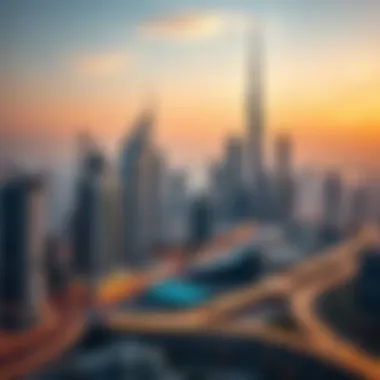
The transformation of Dubai is nothing short of extraordinary. Just a few decades ago, its skyline was a mere whispers of the grandeur that we see today. Significant infrastructure projects like the Burj Khalifa, the world’s tallest building, and Palm Jumeirah, an iconic archipelago that boasts luxury resorts and high-end residences, mark milestones in Dubai's adventurous journey.
The focus on innovation and tourism not only propelled the economy but also reinvented the lifestyle of residents and visitors alike. Initiatives such as the Dubai Shopping Festival and Art Dubai showcased the city's penchant for blending entertainment with commerce. Furthermore, the ongoing Expo 2020 emphasizes sustainability and innovation, pushing a narrative that goes beyond economic growth to include a socially responsible framework.
Dubai’s transformation has also seen it becoming an educational haven, drawing in students from around the globe, keen to gain insights from its progressive pedagogical approaches. Whether you are a shopaholic hunting for the latest trends, a businessperson seeking new ventures, or an academic eager for knowledge, Dubai stands as a multifaceted gateway that opens doors to numerous opportunities.
This narrative serves as an essential primer for understanding the intricacies that make up the cultural and economic landscape of Dubai, setting the stage for deeper exploration in the subsequent chapters of this article.
Cultural Fabric of Dubai
The cultural fabric of Dubai is a vibrant tapestry woven from the threads of history, tradition, and modernity. It encapsulates not only the heritage of the Emirati people but also the diverse influences of expatriates who have made this city home. Understanding this cultural interplay is essential for anyone looking to navigate, appreciate, or contribute to the life in Dubai. The city's unique amalgamation of traditional customs alongside contemporary innovations presents a rich backdrop that enchants visitors and residents alike.
Emirati Heritage
Emirati heritage is the bedrock of Dubai's identity, providing a sense of continuity and belonging that resonates with both locals and expatriates. The traditions of the Emirati people, encompassing artistry, music, dance, and cuisine, reflect a long-standing history that predates the city's rapid economic transformation. Festivals such as Eid al-Fitr and the Dubai Shopping Festival are lively occasions where the local customs are on full display.
Key elements of Emirati culture include:
- Hospitality: It's often said that a guest is a gift from God. Emiratis take pride in their hospitality, offering food, coffee, and warmth to visitors. For expatriates, this generosity fosters a sense of community.
- Art and Handicrafts: Traditional crafts, such as weaving and pottery, showcase Emirati skills passed down through generations. Local markets like the Al Fahidi Souk teem with artisans selling handcrafted goods.
- Culinary Traditions: Food is central to Emirati culture. Dishes such as and tell stories of family and tradition, often enjoyed during major life events or religious celebrations.
This cultural backdrop enriches the lifestyle in Dubai, serving as a reminder of the city's roots while coexisting with an ever-evolving modernity. It creates a fertile ground for understanding the values that influence daily life, from the way people interact to the business practices that define the economy.
Influence of Expatriates
Expatriates have had a profound impact on the cultural landscape of Dubai. They represent over 80% of the population, bringing with them a wealth of traditions, languages, and perspectives. This diversity has not only enhanced the fabric of the city but has also led to a intercultural dialogue that shapes social norms and practices.
The benefits of this expatriate influence can be seen in various spheres of life:
- Culinary Diversity: The food scene in Dubai is a reflection of its cosmopolitan status. From roadside shawarma stands to fine dining restaurants offering an array of global cuisines, there’s something for every palate. You can grab a taste of India in or enjoy Italian delicacies in .
- Cultural Events: Expatriates contribute significantly to arts and festivals. Events such as the Dubai International Film Festival and the Jazz Festival showcase talent from around the world and encourage cultural exchange among communities.
- Social Networks: Many expatriates create organizations and communities that provide support and foster connections. Events hosted by these groups often underline the importance of collaboration and understanding across cultures.
“Dubai’s strength lies in its ability to seamlessly blend various cultural influences into a shared identity that celebrates diversity.”
In essence, the interplay of Emirati heritage and expatriate influences makes Dubai a unique cultural melting pot. Understanding this dynamic is crucial, as it allows newcomers to navigate the social landscape while respecting the traditions that define the city. The acceptance of different customs makes Dubai a city where tradition meets innovation, and where everyone, irrespective of their background, finds a space to belong.
Economic Overview
Understanding Dubai's economic landscape is crucial for anyone interested in the myriad of opportunities and challenges that exist within this bustling metropolis. This city has transformed from a modest fishing village into a global economic powerhouse over the past few decades. The significance of delving into Dubai's economy extends beyond mere statistics; it's about gaining insights into how various sectors contribute to the overall growth and innovation in this vibrant hub, enhancing the quality of life for its residents and visitors alike.
Dubai’s economy thrives on its strategic location, diverse culture, and a strong framework supporting various industries. This economic overview is a gateway to understanding how Dubai maintains its competitive edge in the region, attracting a flood of expatriates and entrepreneurs. It also sheds light on the intricate connections between global trends and local markets, making it an essential read for anyone looking to navigate the opportunities Dubai offers.
Key Industries
Dubai's economy is a tapestry woven from several key industries, each contributing uniquely to its overall success. Here are a few notable sectors:
- Tourism: With landmarks like the Burj Khalifa and Palm Jumeirah, the tourism sector is a colossal driver of revenue, drawing millions each year.
- Real Estate: The rapid development of luxury properties and commercial spaces signals robust growth, appealing to investors around the world.
- Trade and Logistics: Positioned at the crossroads of major trade routes, Dubai has built a reputation as a trading hub, with ports and airports facilitating global commerce.
- Financial Services: The Dubai International Financial Centre (DIFC) serves as a crucial conduit for financial activities, attracting banking and investment firms.
The interplay between these industries shapes the city’s economy, fostering a dynamic environment conducive to growth. For the expatriate community and tourists, this signifies a vibrant market that is alive with opportunities.
Investment Opportunities
Dubai's investment landscape is particularly enticing for those keen on capitalizing on the city’s relentless growth. The government has established various free zones and incentives to attract foreign investment, making it easier for entrepreneurs and corporations to set up shop.
Investors should consider sectors like:
- Technology Startups: The rise of tech incubators and accelerators in Dubai offers fertile ground for innovation.
- Renewable Energy: With initiatives like the Mohammed bin Rashid Al Maktoum Solar Park, this sector is gaining traction, showing Dubai's commitment to sustainability.
- Healthcare: As the population grows, so does the need for healthcare services, presenting significant potential for investment in this sector.
Additionally, real estate investment remains a solid option, with attractive returns particularly in residential and commercial properties. The recent trends indicate a shift towards affordable housing, catering to the growing population of expatriates looking for quality living at reasonable prices.
Investing in Dubai is not just about numbers; it’s about tapping into a potential that continues to evolve. As the landscape changes, the opportunities expand, creating an enticing scenario for investors.
Resources for Further Reading
In summation, the economic overview of Dubai showcases a robust and multi-faceted landscape that is continuously evolving. The interplay of various industries not only contributes to the overall growth but also shapes the city into a dynamic hub that appeals to expatriates, tourists, and entrepreneurs alike.
Tourism in Dubai
Tourism is a vital thread in the fabric of Dubai's economy and culture. It’s more than just a way for visitors to discover the city; it’s a significant catalyst for growth and innovation, linking Dubai to the global marketplace. With millions flocking to its shores each year, the industry shapes not only the local economy but also influences cultural exchanges and urban development. The advantages brought by tourism include investment in infrastructure, job creation, and cultural promotion.
Dubai’s allure is not solely based on its extravagant resorts or shopping malls but rather on its unique blend of tradition and modernity. Visitors can enjoy experiences that reflect the Emirati way of life while also enjoying the comforts and luxury of modern amenities.
Attractions and Landmarks
Dubai is oozing with attractions that cater to various interests, ensuring every traveler finds something to love. Among the most famous landmarks is the Burj Khalifa, the tallest building in the world, which not only offers breathtaking views but also a feel for what man can achieve when ambition meets innovation. Then there’s the Palm Jumeirah, a marvel of engineering that sprawls into the Arabian Gulf, greeting visitors with lavish villas and resorts.
- Burj Khalifa: Standing at a staggering height of 828 meters, the Burj Khalifa represents the zenith of architectural ingenuity. Standing on its observation deck, one gets a bird's-eye view of this expansive city.
- The Dubai Mall: Beyond shopping, it harbors an aquarium, ice rink, and varied dining experiences, making it a mini-city itself. It's no wonder this mall attracts more visitors each year than some of the world's top tourist destinations.
- Dubai Marina: This man-made canal city is surrounded by gorgeous skyscrapers and countless dining options. It serves as a hub for both leisurely strolls and more vibrant nightlife.
Attractions like these are instrumental in not just bringing in tourists but also showcasing Dubai’s rapid growth and development.
Culinary Scene
When it comes to the culinary scene, Dubai is a feast for the senses. The city boasts a diverse array of flavors, reflecting its multicultural population. Food has become a central pillar in promoting cultural heritage and fostering social connections, providing a platform for culinary artistry.
The range of restaurants and eateries is staggering, offering visitors a taste of local Emirati cuisine, Middle Eastern delicacies, and global culinary treats from every corner of the world.
- Emirati Dishes: Must-try staples include Al Harees, a wheat and meat dish, and Shawarma, which has captured the hearts of many. Not to forget about Falafel, a vegetarian favourite that packs a punch.
- International Cuisine: From Michelin-starred restaurants like At.mosphere in the Burj Khalifa to street food vendors in Al Ain, food enthusiasts can journey from the casual to the lavish in a single culinary outing.
- Food Festivals: Events like Dubai Food Festival highlight the city’s culinary talents, emphasize local hospitality, and showcase the city’s rich gastronomic diversity.
Dubai’s culinary delights not only satiate hunger but also serve as a bridge facilitating cultural dialogue among its diverse inhabitants.
"Culinary experiences in Dubai are always evolving. They reflect more than just taste; they signify the blending of cultures and traditions in this vibrant city."
Tourism in Dubai is therefore not just about sightseeing; it’s an immersive experience that keeps drawing visitors in while continually reshaping the cultural landscape.
Business Climate
The business climate in Dubai is not just a backdrop to the bustling city; it is the heartbeat that drives its economy. Situated at the crossroads of Europe, Asia, and Africa, Dubai has strategically positioned itself as a global hub for commerce and trade. The Government of Dubai has implemented numerous initiatives to create a friendly environment for businesses, which makes it an attractive option for expatriates, entrepreneurs, and large corporations alike.
This section delves into various facets of the business climate in Dubai, focusing on elements such as the ease of doing business, regulatory frameworks, and the supportive infrastructure that makes entrepreneurship thrive.
Startups and Innovation
Startups in Dubai are blossoming, and this trend is no accident. With the establishment of free zones, such as Dubai Internet City and Dubai Silicon Oasis, entrepreneurs can enjoy 100% foreign ownership and significant tax breaks. These environments foster innovation by providing access to resources, networks, and capital that are vital for startups.
Moreover, the Dubai Chamber of Commerce has launched several initiatives aimed at supporting small and medium enterprises (SMEs). For instance, they have an incubation program that offers mentorship and funds to promising startups. Additionally, events like GITEX, one of the largest tech expos in the Middle East, showcase innovative solutions and build bridges between startups and investors.
It's not just traditional businesses, either; you see a surge in sectors like fintech, e-commerce, and health tech. In 2021, the Dubai government launched a $1 billion fund to support tech startups, further emphasizing its commitment to innovation.
"Dubai is embracing the digital age with open arms, and this is evident in the rapid growth of its startup ecosystem."
This supportive climate extends beyond financial backing. Accelerators, such as Techstars, and co-working spaces like WeWork provide collaborative environments that nurtures creativity and development. For anyone looking to dive into the world of startups in Dubai, the scene is ripe for exploration, networking, and success.
Corporate Environment
The corporate environment in Dubai is characterized by a blend of modern practices and traditional values. The Dubai International Financial Centre (DIFC) is a leading financial hub, providing a legal and regulatory framework that allows companies to operate freely in the Middle East. Here, various multinational corporations have set up their bases, benefiting from state-of-the-art facilities and a business-friendly regulatory system.
In addition, Dubai prides itself on a diverse workforce that combines talents from all over the globe. This multicultural mix opens the door to various perspectives and ideas, which can lead to richer corporate strategies and innovative problem-solving.
Networking is another important aspect of the corporate culture in Dubai. From unstructured coffee meet-ups to structured business forums, there's ample opportunity to connect with other professionals. These interactions often lead to fruitful collaborations and partnerships that can propel a business forward.
However, it's important to keep in mind the nuances of working within a diverse cultural framework. An understanding of local customs can go a long way in building strong business relationships; something that entrepreneurs and corporate leaders should not overlook.
In summary, whether you're a budding entrepreneur or a veteran in the corporate realm, Dubai offers an intriguing business climate with abundant opportunities and challenges. It stands as a powerful example of how a region can transform itself into a global business leader through strategic planning, investment in infrastructure, and tolerance of global cultures.
For further reading, you may explore Dubai Chamber of Commerce and DIFC for more insights into the corporate landscape.
Social Dynamics
The social dynamics of Dubai paint a colorful picture of the city’s unique fabric. A melting pot of cultures, this pulsating metropolis trews together aspects of lifestyle, tradition, and contemporary living. Understanding the social dynamics is essential for deciphering how communities interact and thrive in such a diverse setting. This article breaks down these social elements further, focusing on the expatriate lifestyle and the cultural festivals that enliven the region.
Expatriate Lifestyle
In Dubai, expatriates make up a significant portion of the population, contributing not just economically but socially as well. With nearly 85% of its residents hailing from various corners of the globe, Dubai presents a distinct blend of cultures, customs, and traditions. Each expatriate community adds its own flavor, creating an environment that encourages cross-cultural exchange.
Day-to-day life for expatriates often encompasses a mix of familiar and exotic. The ease of integrating into this society is supported by various international schools, clubs, and social gatherings that serve to maintain cultural ties while promoting interactions across different nationalities. For instance, the likes of the Dubai Expat Forum and meet-up groups cater specifically to newcomers, making sense of this bustling city easier.
Living in Dubai offers various conveniences, such as world-class amenities and a secure environment. That being said, challenges are also part of the deal. High living costs and fluctuating regulations can create hurdles for many expatriates, prompting them to adapt continuously. Transitioning from a close-knit home culture to a sprawling urban landscape poses its own set of adjustments.
One key element that stands out is the celebratory nature of the expatriate lifestyle. Various communities observe their traditional festivals, creating an atmosphere rich with diverse celebrations. This social fabric fosters a sense of belonging, making the challenges of living abroad seem a little less daunting. The holidays—from Diwali to Christmas—are marked not just by solitude but by communal gatherings, which help retain cultural heritage.
Cultural Festivals
Cultural festivals in Dubai are as diverse as the city itself, providing a vibrant showcase of customs and traditions from around the world. These events are more than just celebrations; they signify a collective identity that transcends individual backgrounds. Dubai's expanding cultural calendar highlights the importance of these festivals in fostering social cohesion and understanding.
The Dubai Shopping Festival is an example that stands out; it draws in both locals and tourists alike, creating economic benefits through retail and tourism sectors. Similarly, the Global Village serves as a unique cultural hub where different countries set up pavilions, showcasing crafts, foods, and performances from their homelands. Through such initiatives, the spirit of unity and diversity thrives.
During Ramadan, the cultural landscape shifts into a period of reflection and feasting. Iftar gatherings become a social norm, where people from all walks of life come together to break their fast. These moments encapsulate Dubai’s essence—where tradition meets modernity in spectacular fashion.
"Dubai's social landscape serves as both a mirror and a thread, weaving together stories from all corners of the world."
For those looking to delve deeper into understanding Dubai's social dynamics, resources such as the Dubai Culture and Arts Authority and Visit Dubai can provide additional insights.
Education and Workforce Development
In a rapidly evolving city like Dubai, education and workforce development play a pivotal role in shaping its future. An increasingly diversifying economy requires a skilled labor force capable of adapting to new challenges. This section delves into the significance of education institutions and skill development initiatives in nurturing talent and maintaining Dubai's competitive edge.
Educational Institutions
The educational landscape in Dubai is both extensive and varied, offering a plethora of institutions catering to a diverse population. From international schools following curricula such as British, American, Indian, and more, to universities with a global reputation, the city prides itself on providing quality education.
Among the notable institutions is the American University in Dubai, which is known for its strong engineering and business programs. Similarly, Zayed University emphasizes leadership and innovation, preparing students for roles that demand creativity and analytical thinking.
Moreover, vocational training centers like Dubai Technical Institute focus on hands-on skills that often translate into immediate employment opportunities. The presence of foreign universities fosters a rich educational environment where expatriate students can pursue accredited degrees without leaving the city.
In summary, educational institutions in Dubai are not just places of learning but are vital to the city's broad economic strategy. They help build a workforce that meets the demands of various industries, fostering an ecosystem where both locals and expatriates can thrive.
Skill Development Initiatives
Skill development initiatives in Dubai aim to bridge the gap between education and real-world employment. These programs are especially crucial, given the pace of innovation in sectors like technology, healthcare, and tourism.
- Emirates Skills - A prominent organization dedicated to enhancing vocational training standards, supporting initiatives that align skill sets with market needs.
- Dubai Future Foundation - Focuses on forward-thinking education models, such as coding boot camps and entrepreneurship training programs, enabling young talents to embrace the digital era.
- A variety of public-private partnerships - Collaboration between the government and private sectors is also important. Local businesses are often integrated into educational programs, which ensures that the skills taught align with market demands.
These initiatives not only hasten the professional growth of individuals but also drive economic diversification. As more graduates enter the workforce with practical skills tailored to the demands of various sectors, Dubai solidifies its position as a global business hub.
"The bridge between education and employment is the crux of economic resilience in Dubai," says an industry expert.
In short, skill development initiatives serve as crucial links connecting individuals with careers, ultimately benefiting both the city and its residents.
Healthcare Sector
The healthcare sector in Dubai is a vital component of its overall cultural and economic framework. With a diverse population that includes a significant number of expatriates and international residents, the demand for high-quality healthcare services is paramount. A robust healthcare system not only contributes to public well-being but also attracts business and tourism.
Dubai has made remarkable strides in developing its healthcare landscape in recent years. The government's commitment to investing in healthcare infrastructure and technology ensures that residents and visitors alike have access to top-notch medical services. From world-class hospitals to specialized clinics, the spectrum of healthcare facilities caters to various needs, emphasizing the importance of quality care without delay.
Healthcare Facilities
Dubai hosts an extensive range of healthcare facilities, ensuring that all levels of care, from primary to tertiary, are easily accessible. Some of the notable hospitals include:
- Cleveland Clinic Abu Dhabi: Renowned for its advanced medical technology and specialty care.
- Mediclinic City Hospital: A private hospital offering comprehensive services and multidisciplinary care.
- Dubai Healthcare City: A healthcare free zone that hosts numerous hospitals and clinics that offer international-quality care, encouraging medical tourists to seek treatment here.
These facilities are equipped with state-of-the-art technologies, enabling them to handle complex medical cases efficiently. Moreover, a focus on patient-centered care makes these establishments a good choice for expatriates who may be navigating unfamiliar systems.
As Dubai continues to grow, there’s been a push towards integrating telemedicine into healthcare services. This innovation not only facilitates remote consultations but also helps in managing chronic diseases effectively.
Health Initiatives
To further improve public health, Dubai has rolled out various health initiatives aimed at enhancing wellness and preventive care. Some key programs include:
- Healthy City: An initiative aimed at encouraging healthy lifestyles among residents through community events and educational programs.
- Dubai Health Strategy 2021: This comprehensive plan focuses on improving health services and patient outcomes through innovation and technology.
- Screening Programs: Regular health screenings for common diseases such as diabetes and hypertension are organized to ensure early detection and management.
Furthermore, the Department of Health in Dubai is proactive in promoting mental health awareness, countering stigma, and providing resources for those in need. These initiatives highlight the commitment to not just reactive healthcare but proactive health management, emphasizing community involvement and education.
"Healthcare is not just about handling the sick; it's about empowering people towards better choices and healthier lives."


For more information, you can visit these trusted resources: World Health Organization or Dubai Health Authority.
With all these advancements, the healthcare sector reflects Dubai's dedication to providing a safe and healthy living space for its multi-national residents and visitors alike.
Real Estate Trends
Dubai's real estate market is a vibrant and essential aspect of its cultural and economic landscape. This sector has undergone tremendous evolution over the past few decades. From the shimmering skyscrapers that paint the skyline to the luxurious villas sprawled across serene neighborhoods, real estate trends in Dubai reflect the city's ambition and dynamism. For expatriates, investors, and future homeowners, understanding these trends is not just beneficial; it’s critical for making informed decisions in a competitive market.
The demand for both residential and commercial properties has remained robust, fueled by a growing expatriate population and a booming economy. The benefits of investing in Dubai real estate can be enticing, with potential high returns fueled by rental demand and property appreciation.
However, prospective buyers must navigate through regulatory frameworks, market fluctuations, and local customs. These factors can be a double-edged sword; they present both challenges and opportunities.
"The real estate sector in Dubai serves as a barometer for its economic health, reflecting broader trends in development, investment, and innovation."
Residential Developments
When exploring residential developments in Dubai, one must consider several elements. The city offers a variety of choices ranging from opulent apartments in the Burj Khalifa area to cozy townhouses in suburban locations like Arabian Ranches. Each neighborhood tells its own story, catering to diverse lifestyles and budgets.
In recent years, there’s been a noticeable shift towards sustainable and eco-friendly housing. Developers like Emaar and Damac have started emphasizing green building technologies and energy efficiency. Such initiatives not only appeal to environmentally conscious buyers but also comply with Dubai's vision for a sustainable future.
Key Trends in Residential Development Include:
- Luxury Living: High-end apartments and villas with state-of-the-art amenities are witnessing increased interest.
- Affordable Housing: There is a growing push for more budget-friendly options for middle-income families.
- Smart Homes: Properties equipped with advanced technology allow homeowners to manage their living environments efficiently.
Moreover, the demand for short-term rental properties has surged, partly driven by the booming tourism sector. Those owning properties in prime locations can benefit significantly from platforms like Airbnb, providing homeowners with an appealing income stream.
Commercial Property Market
The commercial property market in Dubai is equally compelling, reflecting the city’s reputation as a global business hub. Office spaces, retail opportunities, and industrial real estate are all integral components of this diverse market.
In recent years, there has been a shift toward flexible workspaces and co-working environments. Companies are increasingly seeking flexible solutions that cater to remote and hybrid work models. This trend has led to the rise of spaces such as WeWork and other innovative coworking hubs that promote collaboration and community.
Urban Areas Seeing Growth Include:
- Downtown Dubai: A hotspot for retail and entertainment, it attracts international brands.
- Dubai Silicon Oasis: A tech-friendly zone fostering innovation, housing numerous startups and tech firms.
- Jebel Ali Free Zone: A major industrial hub that encourages trade and logistics operations, pivotal for those in goods distribution.
Investing in commercial real estate in Dubai presents unique opportunities. The city’s strategic location between East and West positions it as a key player in global trade. However, one must be mindful of regulatory changes and market saturation, as these can influence profitability.
Challenges and Opportunities
In the bustling metropolis of Dubai, the interplay of challenges and opportunities shapes the city’s dynamic landscape. Understanding these elements is crucial for anyone seeking to profit or simply navigate the complexities of life in Dubai. The landscape here is not simply a stage for grand visions and skyscrapers; it’s a canvas where environmental awareness meets economic aspiration.
Environmental Concerns
As Dubai rises higher into the sky with its famed skyscrapers and luxurious malls, the environmental cost of rapid development cannot be ignored. The issues associated with climate change and sustainability are pressing. Water scarcity is one of the stark realities facing the city, as it relies heavily on desalination plants to meet the needs of its population and industry. This process is energy-intensive and, therefore, contributes to the carbon footprint of the Emirates.
Air quality also raises eyebrows. The ever-increasing vehicle population combined with desert dust can affect residents and visitors alike. It’s important for the city to address these issues proactively—awareness is starting to bloom among both citizens and the government. Recent initiatives, such as investing in green spaces and promoting solar energy, highlight a commitment to tackling environmental dilemmas head-on.
Moreover, regulations are beginning to take shape regarding waste management and pollution control. Built up green areas are crucial, helping to both cleanse the air and create a desirable urban environment.
"In Dubai, every challenge presents a unique opportunity for those willing to innovate and adapt."
Recognizing these environmental challenges may compel businesses to adopt sustainable practices, which can lead to an emerging green economy.
Economic Diversification
As the world shifts and economies face uncertain times, Dubai has embarked on a journey of economic diversification. The oil dependency that once defined the country is being exchanged for a broader economic base. The shift aims to foster resilience and stability, a sensible move considering global oil prices are always in flux.
Dubai has strategically diversified into several growth sectors such as tourism, aviation, technology, and financial services. The strategic positioning of Dubai as a logistical hub offers incredible advantages, making it a focal point for global business. This diversification is not merely a reactive measure; it is a proactive approach to secure Dubai's future as a leading international city.
- Tourism and Hospitality: The tourism sector is thriving with numerous attractions and events that pull millions every year. Events such as the Dubai Shopping Festival and the Expo 2020, although delayed, marked significant pivots in drawing international crowds.
- Technology and Innovation: The push toward fintech and smart technologies has become a priority. The emergence of startups in these fields, supported by initiatives like Dubai's Startup Hub, showcases how the city is nurturing a new wave of entrepreneurship.
This commitment toward diversification also includes investment in education and skill-building to prepare the workforce for the future. The incorporation of technology-savvy graduates and skilled workers into the economy will only enhance competitiveness on a global scale.
Investors and expatriates can find fertile ground in Dubai’s evolving market. Navigating through these opportunities, while keeping environmental responsibilities in check, creates a land rich with potential. The combination of tackling concerns and tapping into diversified opportunities present a pragmatic view of Dubai's path forward.
Epilogue
In wrapping up our exploration of Dubai’s cultural and economic landscape, it’s clear that this city stands as a testament to the fusion of tradition and modernity. The intricate dance of historical roots and contemporary growth provides a rich tapestry that is both enlightening and essential for understanding Dubai in its entirety.
Future Outlook
Looking ahead, the trajectory of Dubai appears promising yet challenging. The government remains committed to diversifying its economy beyond oil dependency, focusing on innovation and sustainability. Emerging industries such as technology, finance, and green energy are increasingly taking the spotlight. The progress in these sectors suggests a vibrant future where entrepreneurship will thrive. Furthermore, initiatives like the Dubai 2040 Urban Master Plan aim to reshape the urban landscape by prioritizing livability and environmental health.
On the cultural front, as the population grows and evolves, so too does the rich mosaic of traditions. There’s a likelihood of seeing a continued blending of local Emirati culture with the various influences brought by expatriates, creating a unique cultural fabric.
"Dubai is not just a city; it’s a living, breathing entity that adapts to the pulse of its people."
Final Thoughts
Dubai's ongoing narrative is one of resilience and ambition. For expatriates and visitors alike, understanding these multi-layered dynamics is not just an academic exercise, but a doorway to deeper connections within the local community. As this city continues to evolve, those who engage with its cultural and economic aspects will find countless opportunities waiting to be explored.
In closing, whether one is a student, entrepreneur, or a curious traveler, grasping the essence of Dubai means uncovering the layers of its identity. This experience not only enriches personal understanding but also fosters a greater appreciation of the unique blend that makes Dubai a true global hub.