Exploring Al Safa Tower: Dubai's Architectural Gem
Intro
The skyline of Dubai is nothing short of a marvel, and the Al Safa Tower acts as a shining jewel within it. This towering structure, with its striking design and cultural significance, stands not just as a point of interest but as an emblem of what modern Dubai represents. In this visual exploration, we will delve deeper into the nuances that make Al Safa Tower special, examining its architectural details and the stories it holds.
Culture Insights
Understanding Al Safa Tower requires a look into the cultural tapestry that surrounds it. This iconic structure does not exist in a vacuum; instead, it reflects the values and aesthetics of a diverse population.
Traditions and Festivals
Traditionally, Dubai has been a melting pot of cultures, and Al Safa Tower is a testament to this. Each year, during notable festivals like the Dubai Shopping Festival or Eid celebrations, the tower becomes a focal point for festivity and illumination. The lights that adorn the tower during these times breathe life into the structure, highlighting its sleek architectural features. Residents and visitors gather around to marvel at these displays, which not only beautify the cityscape but also strengthen community bonds.
- The vibrant expressions during Eid reflect local values of generosity and togetherness.
- The shopping festival showcases Dubai's modern flair, adding an urban twist to traditional celebrations.
Art and Entertainment
Al Safa Tower's architectural beauty has also inspired an array of artistic interpretations. The building’s unique design has become a popular subject for artists and photographers, who capture its form from varying angles and in different light. From street art to digital renditions, its presence in the art scene grows.
Moreover, nearby art galleries and entertainment venues draw patrons looking to experience Dubai’s creative side. Al Safa Tower stands as a beacon guiding this cultural exploration.
"In a city that has redefined modern architecture, Al Safa Tower is a reminder of our past intertwined with our progressive future."
Economic Developments
Beyond its cultural significance, Al Safa Tower plays a vital role in Dubai's economic landscape. Its location and stature have turned it into a hub for various sectors, notably real estate and business.
Business Opportunities
The vicinity of Al Safa Tower oozes opportunity for entrepreneurs. Many professionals find themselves drawn to the area, thanks to its accessibility and reputation. With new startups emerging, the tower's influence is felt in the business community, fostering collaboration and innovation.
- Its proximity to major transport lines increases foot traffic, benefiting local vendors.
- Networking events around the tower often yield fruitful connections for aspiring and seasoned entrepreneurs alike.
Real Estate Trends
As a landmark in a dynamically developing area, Al Safa Tower significantly influences property values. Real estate is booming here, fueled by demand for both residential and commercial spaces. Potential buyers and investors see value not only in the tower but in the larger context of growth that it symbolizes. Developers are keen to ride this wave, offering opportunities to those looking to invest in a vibrant urban future.
- Properties near Al Safa Tower often command premium pricing due to the demand.
- New residential projects are getting planned, catering to a diverse range of residents, including expatriates looking for the Dubai lifestyle.
In essence, Al Safa Tower is much more than a tall building in Dubai; it is a pivotal point of intersection where culture, business, and community meet. Through this exploration, we can truly appreciate its integral role in shaping the narrative of a city that continues to redefine itself.
Intro to Al Safa Tower
The Al Safa Tower stands as a beacon of modernity and artistry amidst the bustling cityscape of Dubai. Its significance stretches beyond mere aesthetics; it acts as a cornerstone in understanding the region's architectural evolution. This introduction delves deeply into the various dimensions that make the tower crucial in this vibrant metropolis, shedding light on its historical context and architectural brilliance.
Background and Significance
The significance of Al Safa Tower can’t be overstated. Completed in 2003, it became a staple part of Dubai's skyline, contributing to its identity as a hub of innovation and progress. The tower carries the weight of cultural symbols and reflects the aspiration of a city that once relied heavily on pearl diving and trade but has transformed into a global powerhouse.
Visitors and locals alike regard it not just as an office building, but as a representation of a new era, where modernity intertwines with respect for tradition. The tower is situated in Jumeirah, one of Dubai's most affluent areas, commanding attention with its sleek silhouette. It is said that if you stand at the right spot during sunset, the tartan colors of the sky blend beautifully with the reflective surface of the glass tower, creating a visual marvel.
People from various walks of life come together in this area, discussing business and culture under the gaze of Al Safa. For expatriates, it symbolizes opportunities — a place where dreams could be turned into reality with a touch of grit and determination.
Architectural Overview
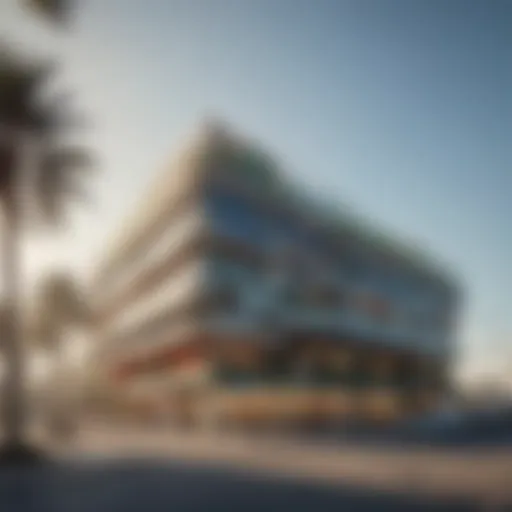
The architectural design of Al Safa Tower is a blend of contemporary elegance and functional sophistication. Boasting 44 floors, its height contributes to Dubai's reputation for breathtaking architecture. The faade, clad in shimmering glass, allows natural light to pour into the interior while offering stunning views of the surrounding landscape. The tower is designed not just to catch the eye, but to blend harmoniously with the skyline.
The layout itself is a reflection of modern architectural principles, where form meets function. Each floor is optimized for spaciousness and comfort, accommodating various businesses and enterprises.
Moreover, the internal design features an open-plan concept, encouraging collaboration and creativity among its occupants. With the integration of smart technology, the building is equipped to adapt to the needs of its tenants, representing not just architectural brilliance, but also a step into a sustainable future.
In summary, Al Safa Tower is more than a construction of concrete and glass; it is a vital component of Dubai's urban narrative. As we continue to explore its aesthetic appeal and cultural context, it becomes increasingly clear that this structure holds an important place in the hearts of those who call Dubai home, as well as those who visit.
Aesthetic Appeal of Al Safa Tower
The aesthetic appeal of Al Safa Tower is not just its outward beauty; it plays a crucial role in shaping visitors' and residents' perceptions of Dubai as a global city. This section delves into the distinct characteristics that set the tower apart from other architectural feats in the region. Colors, materials, and design intricacies all weave together to create a structure that resonates with modern sensibilities while reflecting cultural values.
Structural Design Elements
The structural design of Al Safa Tower is a fine blend of contemporary architecture and traditional influences. Towering at an impressive height, it's designed to stand as a beacon of innovation in the fast-evolving Dubai skyline. With angled facades, the building offers a shimmering view that adjusts with the daylight, making it quite the spectacle for both onlookers and photographers alike.
This architectural marvel exhibits several key design features:
- Use of Glass and Steel: The extensive use of glass allows for natural light to filter in, creating a bright and airy atmosphere within, while steel frames provide the necessary support without compromising on elegance.
- Dynamic Shapes: The tower’s unique silhouette breaks away from conventional boxy designs, embracing organic forms that seem to twist and turn, which invite curiosity and appreciation.
- Attention to Detail: Every corner has been meticulously planned, whether it's the patterned façade or the entrance that invites visitors with an air of grandeur.
All these elements come together perfectly to create a structure that is not just tall, but also aesthetically pleasing and interactive with its environment.
Integrating Nature and Modernity
Integrating nature into the urban landscape of Al Safa Tower represents a thoughtful approach to modern architecture. The design showcases how high-rise buildings can coexist with natural elements, thereby fostering an environment that promotes well-being.
- Vertical Gardens: Iconic green spaces are infused within the design, creating pockets of natural beauty amidst the concrete hustle and bustle.
- Water Features: Flowing water elements surround the tower, providing a soft auditory backdrop that contrasts with urban noise, promoting a sense of peace and tranquility.
- Natural Materials: The façade features organic textures and colors that echo the surrounding desert landscape, inviting a harmonious relationship between the building and its environmental context.
Such considerations demonstrate that the Al Safa Tower does not merely exist within the cityscape but interacts intricately with it, presenting a vision of what urban living can aspire to be— a blend of nature, modernity, and functionality.
The architectural significance of Al Safa Tower extends beyond its height; it embodies a synergy of aesthetics and the natural world.
Exploring Photography of Al Safa Tower
Photography serves as a powerful medium by which we can appreciate and analyze architectural marvels. In the case of Al Safa Tower, this visual exploration reveals more than just its structural elegance; it encapsulates the very essence of Dubai's ambitions and cosmopolitan identity. By examining the tower through various photographic lenses, we gain insight into its significance and how it resonates with both locals and tourists. Each snapshot tells a story that contributes to our understanding of both the building itself and the broader urban narrative it is a part of.
Different Perspectives
Capturing Al Safa Tower from diverse angles offers a refreshing take on its design and stature, forging a connection between viewer and structure. Architectural photographers often remind us that the same subject can appear uniquely different depending on the angle of view.
- When photographed from below, Al Safa Tower looms large against the sky, showcasing its impressive height and the intricacies of its facade. This upward perspective not only emphasizes its grandeur but also brings attention to its details, such as the rhythm of its windows and the interplay of materials.
- Conversely, a shot taken from a distance can provide context—surrounding buildings and natural landscapes contribute to the overall tapestry of Dubai's skyline. In these images, Al Safa Tower stands as a beacon of modernity and ambition, set against the backdrop of history.
- Evening shots often capture the tower aglow with warm lights, hinting at its role as a social hub and gathering place.
Each perspective not only enhances our appreciation of the tower but also sparks a dialogue about what Al Safa Tower represents in the larger story of Dubai.
Time of Day Effects
The magic of Al Safa Tower transforms with the light of day. The angle of the sun plays a significant role in determining the mood of any photograph, and this is especially true for this remarkable structure.
- Morning Light: A sunrise shoot casts a soft glow on the tower, evoking a sense of new beginnings. The softer shadows during this time accentuate its curves and lines, making it appear welcoming and vibrant.
- Midday Sun: In the full brightness of noon, the aluminum facade can reflect harsh light, often producing stark contrasts that can either enhance or obscure details, depending on the skill of the photographer.
- Golden Hour: Just before dusk, the sun bathes the tower in warm hues, creating stunning reflections and shadows that not only enhance its beauty but also evoke an array of emotions. The photographs taken at this time can truly capture the essence of what makes Al Safa Tower a cherished landmark.
The way these different times of day can alter our perception of the building illustrates how light plays a crucial role in architectural photography.
Seasonal Changes in Imagery
Seasons contribute yet another dimension to the portrayal of Al Safa Tower. Each changing season can impart a unique set of characteristics to the images created.
- Spring: As flowers bloom nearby, vibrant colors contrast against the sleek lines of the tower, painting a revitalizing portrait. The freshness of spring brings with it a sense of hope and renewal.
- Summer: The harsh sun often casts strong, direct shadows. This intensity can enhance the linear aspects of its design, but also challenge photographers to find creative solutions around glare.
- Autumn: Leaves changing color offer photographers a beautiful backdrop for the tower. The hues of orange, gold, and red can complement the tower's modernist aesthetic, creating a rich tapestry of visual appeal.
- Winter: Although Dubai experiences mild winters, the occasional clouds can add drama to photos, allowing for striking silhouettes or reflections against a moody sky.
The seasonal variability not only changes the aesthetic but can also influence how visitors perceive the tower, making it resonate differently throughout the year.
In summary, photography of Al Safa Tower is not merely recording images but interpreting the structure's attributes through light, perspective, and seasonal context. This dynamic interplay shapes both how we see the tower and how it fits into the ever-evolving landscape of Dubai.
"The lens is not just a tool; it’s a bridge between the observer and the observed".
Cultural Context of Al Safa Tower
The significance of Al Safa Tower extends beyond its striking architecture; it embodies a cultural narrative that weaves together history, tradition, and modernity. Understanding this cultural context is essential for appreciating what the tower represents in the rapidly evolving urban landscape of Dubai. Notably, it symbolizes not just architectural ambition, but also a reflection of the collective aspirations of its stakeholders—urban planners, architects, and the community at large.
Artistic Influences
Al Safa Tower draws inspiration from various artistic movements and cultural references. Its design is a modern interpretation of traditional Middle Eastern architecture, with intricate patterns that echo the region's historical motifs. The use of geometric shapes is not merely for aesthetic pleasure; it serves as a nod to the Islamic art forms that have influenced Dubai's architectural heritage.
Moreover, the tower incorporates elements of minimalism, favoring clean lines that harmonize with the bustling environment around it. This blend of styles showcases how contemporary architecture can pay homage to the past while pushing forward into new frontiers. Through the lens of various artists and photographers, of which many have captured the tower’s beauty, it becomes clear that Al Safa Tower stands as a canvas for creativity, inviting diverse interpretations from its observers.
"In architecture, as in painting or music, there is a story told in shapes and shadows. Al Safa Tower narrates a tale of urban progress intertwined with cultural roots."
Public Reception and Interpretation
Al Safa Tower has elicited a wide array of responses from the public, supported by its significance as a landmark in Dubai. Tourists and locals alike have taken to social media to share their personal experiences and interpretations, showcasing how this structure fits into their lives. For instance, expatriates living in the vicinity often regard it as a point of reference, a beacon that guides them through the convoluted streets of the city.
Feedback from visitors highlights a range of emotions, from admiration of its aesthetic qualities to deeper reflections on the socio-economic changes it represents. Many cite the tower as a symbol of Dubai's transformation from a humble fishing village to a global hub of commerce. This inspires not only awe but also conversation around sustainability and the future urban identity of the city.
In summary, the cultural context of Al Safa Tower is not just a matter of what it stands for architecturally, but also what it signifies culturally, socially, and economically within the broader tapestry of Dubai. As the landscape of the city continues to change, so too will the narratives surrounding Al Safa Tower, reinforcing its integral role in the urban story.
Technological Aspects of Architectural Photography
The realm of architectural photography has evolved dramatically with advances in technology. This section unpacks the crucial elements that define the intersection of architecture and photography, specifically within the context of Al Safa Tower. Understanding these technological aspects can significantly enhance the tangible beauty of this masterpiece, allowing us to appreciate its architectural splendor in deeper, more meaningful ways.
Camera Techniques and Equipment
Capturing the essence of Al Safa Tower requires the right tools and techniques. A solid understanding of camera settings, lenses, and auxiliary equipment is paramount. Here are a few fundamental considerations:
- Camera Types: DSLRs and mirrorless cameras are indispensable for architectural work due to their ability to produce high-resolution images. The choice between them often depends on the photographer's comfort level and specific needs.
- Lenses: Selecting a wide-angle lens, typically in the 16-35mm range, allows one to include the entirety of the structure within the frame. This can be crucial when photographing buildings like Al Safa Tower that stand tall against the skyline.
- Tripods: Stability is vital in architectural photography. A sturdy tripod helps eliminate camera shake, particularly in low-light conditions or longer exposures.
- Filters: Polarizing filters might be used to reduce reflections on glass and to enhance the saturation of skies, which can dramatically affect the visual tone of the photographs.
A fundamental aspect here is understanding depth of field. Utilizing a smaller aperture (higher f-stop) can provide a wider depth of field, ensuring that both the foreground and background remain in focus.
Editing and Post-Production Process
The journey doesn’t end with snapping the shutter; post-production is where the magic often happens. Editing allows photographers to refine the images of Al Safa Tower and impart their personal touch. Key phases include:
- Software Choices: Programs like Adobe Lightroom and Photoshop are industry standards. They offer a range of tools to adjust brightness, contrast, and saturation, which can enhance the architectural details.
- Perspective Correction: Buildings can appear distorted due to lens curvature or the angle of the camera. Perspective correction tools can rectify this, ensuring that vertical lines remain straight, which is critical in representing architecture accurately.
- Color Grading: Adjusting the hues and tones can create mood in the photographs. For instance, a cooler color palette might evoke a modern feel, while warmer tones can add a sense of welcoming.
- Sharpening and Noise Reduction: These adjustments ensure the image is clear and crisp. Not all images will need heavy adjustments; it often depends on the original shot.
Powerful as it may be, the editing process should respect the authenticity of Al Safa Tower’s architectural details. It should enhance, not alter, the reality of what was captured.
"Photography is the story I fail to put into words."
Al Safa Tower in the Context of Urban Development
Dubai, a city defined by its ever-changing skyline, has become synonymous with high-rise buildings and innovative architectural designs. Al Safa Tower stands tall as a symbol of this urban transformation. Its very presence highlights the broader dialogue surrounding urban development in modern cities. This section will delve into the importance of the Al Safa Tower within the framework of Dubai's sprawling metropolis, focusing on several crucial elements: the role of high-rise buildings and the economic ramifications of iconic structures.
The Role of High-Rise Buildings in Modern Dubai
Before one can appreciate the significance of Al Safa Tower, it's essential to grasp the role high-rise buildings play in shaping modern Dubai. Skyscrapers like Al Safa not only add verticality to the skyline but also serve as hubs for business, living, and leisure. Some key aspects include:
- Space Efficiency: Given the limited land area in Dubai, high-rise buildings maximize space, allowing for mixed-use developments that combine residential, commercial, and recreational spaces.
- Cultural Identity: Towers such as Al Safa contribute to the cultural mosaic of Dubai, blending modern aesthetics with traditional elements. They become icons that people connect with, not just structures rising from the ground.
- Environmental Considerations: Recent architectural trends have favored sustainable designs within high-rise frameworks, promoting green technologies and energy efficiency. This signifies an evolution in how urban centers are viewed from an environmental standpoint.
Overall, Al Safa Tower is a testament to Dubai's ability to innovate while still emphasizing efficiency and sustainability in a desert landscape.
Economic Impact of Iconic Structures
Al Safa Tower's architectural grandeur is not merely an aesthetic achievement; it has tangible economic implications for Dubai as well. The presence of such iconic structures influences various economic dynamics:
- Tourism Boost: Tourists flock to Dubai to witness these landmarks. Al Safa Tower, with its unique design, draws visitors, contributing to the local economy and the tourism industry.
- Property Value Increases: High-rise buildings often elevate real estate prices in the surrounding areas. The allure of living or working near a landmark can lead to increased demand, driving development and investment.
- Job Creation: The construction and maintenance of skyscrapers create jobs across various sectors, including construction, architecture, and hospitality. This steady job creation bolsters the economy and helps transform Dubai into a global business hub.
"High-rise developments like Al Safa Tower not only reshape the physical landscape but also redefine the economic landscape, exemplifying the integrative approach Dubai takes towards urban growth."
Sustainability and Al Safa Tower
Sustainability stands as a cornerstone of contemporary architecture, intertwining with aesthetic appeal and structural integrity. The Al Safa Tower exemplifies this relationship, not merely as a feat of engineering but as a model for future urban development. In a place like Dubai, where rapid growth often overshadows environmental considerations, exploring how Al Safa Tower incorporates sustainable principles is crucial for understanding its long-term impact on the urban landscape.
Green Architecture Principles
At the heart of Al Safa Tower lies a commitment to green architecture principles. This is not just about using eco-friendly materials; it’s about creating a symbiotic relationship between the structure and its environment. For instance, the tower incorporates advanced insulation techniques that reduce energy consumption significantly. This means less reliance on air conditioning systems, which are notorious for draining power in Dubai's scorching heat.
Moreover, daylight optimization forms part of the design strategy. The architects have strategically placed windows and glass panels that allow ample natural light to flood the interiors while minimizing heat gain. This architecture principle not only lowers lighting costs but also creates a healthier, more inviting space for occupants.
Additionally, the tower utilizes a rainwater harvesting system. Though Dubai is known for its arid climate, the collection and reuse of water during rare rainfalls contributes to sustainable resource management, showcasing that every drop counts even in a desert city.
'Sustainable architecture is not just about buildings; it's about creating an ecosystem.'
Innovative Use of Resources
Innovative use of resources plays a significant role in Al Safa Tower’s sustainability narrative. For starters, the integration of solar panels on the rooftops encourages the shift towards renewable energy sources. This not only generates a substantial amount of power for the building’s needs but also aligns with Dubai's broader vision of embracing clean energy.
Furthermore, the architects employed recycled materials where possible, from structural components to interior finishes. This not only reduces the environmental footprint but also supports local economies and artisans. In this way, the tower serves as an anchor for sustainable practices within the architectural community.
The design also takes into account the greater urban ecosystem. Landscaping around the tower uses native plant species, requiring less irrigation, thus reducing water usage. This approach highlights a growing understanding of biodiversity and contributes to the overall ecosystem health of the local area.
In summary, the Al Safa Tower isn’t just an impressive feat of modern architecture; it represents a commitment to sustainability that resonates with the evolving identity of Dubai itself. Understanding these principles can provide insightful perspectives for expatriates, tourists, entrepreneurs, and students examining the future paths urban spaces might take.
Visitor Experiences at Al Safa Tower
The Al Safa Tower isn’t just a feast for the eyes; it’s an experience waiting to unfold for anyone who steps foot near it. The visitor experience is an essential element of the tower's identity, representing not just its architecture but also the interaction people have with it. Faced with stunning visual aesthetics in conjunction with rich cultural narratives, tourists and residents alike find themselves drawn to its embrace. The unique experiences that visitors encounter here go beyond mere observation; they become part of the tower's evolving story.
Tourist Engagement and Feedback
Engagement goes well beyond snapping a few photos in front of Al Safa Tower. Many tourists share their stories of discovery, expressing how the tower resonates with their own journeys. Visitors often take to social media, posting striking images along with heartfelt captions. The feedback loop created by these interactions highlights a tangible connection, a sharing of experiences that molds the perception of the tower.
- Social Media Buzz: Travelers frequently use platforms like Instagram and Facebook to showcase their visits. Visitors might tag the tower using location tags or hashtags, leading to a digital community centered around shared experiences.
- Guided Tours: Local tour companies often incorporate Al Safa Tower into their itineraries. Feedback from these tours indicates that many participants appreciate the blend of historical context with contemporary relevance.
- Cultural Engagement: Some visitors comment on how the tower not only captivates visually but also prompts them to reflect upon Dubai's rapid evolution, marking a contrast between tradition and modernity.
The overall sentiment often leans towards admiration, with many noting that their visit "exceeded expectations", reinforcing the tower’s role as a symbol of place and progress.
Events and Activities Surrounding the Tower
Beyond the architectural allure, Al Safa Tower serves as a backdrop for countless events and activities. This multifaceted space can be a hub for cultural exchange and entertainment, further enhancing the visitor experience. The events linked to the tower often attract diverse groups, from business leaders to creative artists.
- Art Exhibitions: Local and international artists occasionally showcase their work around the tower, transforming the space into an open-air gallery. These exhibitions capture the spirit of Dubai, through both traditional and contemporary lenses.
- Public Celebrations: Major national holidays or festivals often see Al Safa Tower as a focal point for public displays of celebration. Fireworks and light shows are commonly planned around the site, drawing crowds who revel in the electrifying atmosphere.
- Workshops and Learning Sessions: Occasionally, organizations host workshops focused on architecture, sustainability, or photography. Participants engage in hands-on activities that deepen their connection to the tower.
"The sheer scale of the festivities often makes it feel like the tower is alive, inviting people to explore its surroundings and forms an indelible part of their memories."
Through these various engagements and events, Al Safa Tower fosters a sense of community and connectivity, solidifying its place in the fabric of Dubai life. Visitors leave with more than just photographs; they carry with them stories enriched by interactions steeped in culture, art, and personal reflection.
The Future of Al Safa Tower
The discussion around the future of Al Safa Tower is as multifaceted as the building itself. This section aims to delve into the enhancements that may shape its trajectory moving forward, shedding light on specific developments and cultural contexts that could redefine how this structure is perceived in the years to come.
Future Developments and Upgrades
In a city like Dubai, where innovation is the name of the game, it's no surprise that Al Safa Tower is also on the path of potential redevelopment. This tower has already made a significant mark on the skyline, but much can be gleaned from looking ahead. Future upgrades may involve state-of-the-art technology like smart building systems which can enhance energy efficiency and user interaction.
Design and Sustainability: Future projects may incorporate green roofs or vertical gardens, blending ecological considerations into the already chic appearance of the tower. This not only can improve air quality but also offer a natural aesthetic that resonates with the surrounding environment.
User Experience Enhancements: Additionally, upgrading amenities to better serve both residents and visitors could elevate the experience at Al Safa Tower. From interactive displays about its history to observation decks that offer panoramic views, there are numerous possibilities to improve visitor engagement.
These enhancements serve as more than aesthetic improvements or functional upgrades; they can attract new residents and encourage tourism, thereby adding to the tower’s allure. By safeguarding its architectural integrity while modernizing its capabilities, the future of Al Safa Tower can be framed as both a homage to its past and a beacon of tomorrow.
Potential Cultural Shifts
Looking toward the future, cultural dynamics in Dubai are ever-evolving. The Al Safa Tower, a testament to modern architecture, may also adapt to these shifting cultural tides. One significant aspect is how the perception of high-rises has changed with an increasing focus on sustainability and community design.
Community Engagement: The integration of public spaces at the base level can create a vibrant hub for social interactions. Whether it’s art installations, open-air markets, or community parks, enhancing public access can make the tower not just a landmark but a part of the daily life of the community.
Diversity and Identity: As expatriates flock to Dubai, there’s a melting pot of cultures at play. Al Safa Tower has the potential to embody this diversity, reflecting various architectural styles while also serving as a canvas for public art that speaks to the multicultural fabric of the city.
"Cultural landmarks, like Al Safa Tower, are not just structures but living chronicles of societal change and identity."
The End: The Importance of Cultural Landmarks
Cultural landmarks such as Al Safa Tower serve as essential touchstones for cities, creating a unique identity that reflects the spirit and aspirations of their communities. In the case of Dubai, a city known for its rapid development and globalization, Al Safa Tower stands tall not just as a piece of architectural brilliance, but also as a symbol of the city’s ambition and cultural tapestry.
The importance of Al Safa Tower extends beyond its physical presence. It encapsulates a narrative where modernity meets tradition, drawing visitors and locals alike to engage with its story. For expatriates, tourists, and entrepreneurs, the tower is more than just a visual delight; it represents Dubai’s leap into the future while honoring its cultural past. This duality is crucial as it invites a deeper understanding of the city’s evolution.
"Architectural landmarks shape our environment, influencing our experiences and interactions. They tell stories that transcend time and space."
From historical significance to economic value, Al Safa Tower plays multiple roles:
- Cultural Representation: It embodies the melting pot of various cultures that Dubai hosts, thus acting as a bridge for people from diverse backgrounds.
- Tourism Magnet: The tower attracts countless visitors, boosting local tourism and contributing to the economy significantly.
- Urban Planning: It influences the architectural landscape, setting a precedent for other high-rises and encouraging innovative designs in urban development.
Reflecting on Al Safa Tower's Legacy
When reflecting on Al Safa Tower's legacy, one must consider how its design resonates with the aspirations of the society it serves. Built not just to accommodate, but to inspire, the tower evokes a sense of grandeur that many aspire to replicate. Its distinctive features resonate deeply with both the residents who inhabit its vicinity and the tourists who come to behold its stature.
The tower’s legacy also illustrates the importance of architectural sustainability and innovation in urban environments. Developers and architects can learn from its integration of cutting-edge technology and eco-friendly solutions, promoting a sustainable future for Dubai.
In summary, Al Safa Tower is not simply a structure of glass and steel; it is a symbol of what Dubai represents on the global stage. Its ongoing storytelling—embedded in its design and usage—continues to shape cultural identity and communal pride as it stands against the backdrop of a constantly changing skyline. The importance of cultural landmarks like Al Safa Tower lies in their ability to connect us with our past while guiding us toward future possibilities.