
Exploring Healthcare Clinics in International City


Intro
International City, a vibrant community situated in the heart of Dubai, is often seen as a melting pot of cultures and nationalities. As such, the healthcare landscape there is equally diverse and complex. With an array of clinics and facilities, this township serves not only its residents but also expats and tourists who may require medical attention in this bustling environment. Understanding the clinics in International City involves delving into their operational features, accessibility, and the specialized services they offer. Here, we aim to explore the various aspects of the clinics and their impact on the community, while highlighting the local healthcare experience.
Culture Insights
International City’s cultural fabric is woven from a multitude of traditions and festivities that reflect its diverse population. The clinics here often encounter patients from various cultural backgrounds, making cultural competence crucial in the delivery of healthcare services.
Traditions and Festivals
The community celebrates a mix of local and international festivals, such as the Dubai Shopping Festival and Eid al-Fitr, bringing people together and fostering a sense of unity. These events can significantly influence foot traffic to clinics, as health awareness campaigns often align with these celebrations. It is common for clinics to participate in these festivities, offering health screenings or wellness programs targeted at different age groups to raise awareness and engage residents.
Art and Entertainment
Art and entertainment also play a role in shaping the community dynamics. From street festivals showcasing local art to cultural performances at nearby venues, there are opportunities for clinics to promote their services. While not directly linked to healthcare, these activities encourage a sense of community, aiding in a holistic approach to health, where physical and mental well-being are both prioritized.
Economic Developments
The evolving economic landscape of International City has also had a notable impact on its clinics, shaping the kind of services offered and accessibility.
Business Opportunities
The influx of new businesses and start-ups within the area creates demand for specialized medical services. For example, as more companies set up their operations, corporate health programs have emerged. Clinics often collaborate with local businesses to provide employees with tailored health-check services, promoting overall employee wellness. This symbiotic relationship not only enhances employment opportunities but also boosts the clinics' visibility and clientele.
Real Estate Trends
Rapid real estate development has further influenced the healthcare sector. With more housing developments, a surge in population translates to higher demand for accessible healthcare. Many clinics are strategically positioned within residential areas to cater to these growing communities. Additionally, as properties grow in value, clinics begin to thrive financially, enabling them to invest in better facilities and equipment, directly enhancing patient care.
Overview of International City
In exploring the vibrant landscape of healthcare services within International City, it’s crucial to first understand the broader context of this unique area. This section serves as a gateway, shedding light on what makes International City not just a geographical location but a melting pot of cultures, demographics, and dynamics that shape its healthcare provisioning. Situated in Dubai, this community encompasses a myriad of nationalities and backgrounds, making it a focal point for shared experiences and diverse health needs.
Geographic and Cultural Context
International City stands out due to its vibrant and multicultural backdrop. Built around the concept of bringing together diverse cultures, this locality features different themed architectural styles representing various countries. For instance, walking through the streets can feel like a world tour—from the traditional charm of the Asian districts to the modern aesthetics of the Western influences. The layout, designed to foster neighborhood interactions, contributes significantly to the social fabric.
The socio-cultural context heavily influences how healthcare services are perceived and utilized. With a population comprised of expatriates, the health-seeking behavior tends to differ. Many residents come from countries with varying levels of healthcare quality, thereby shaping their expectations and trust in local clinics. As the saying goes, "you can take someone out of their culture, but you can't take the culture out of someone." This ethos permeates the choices they make regarding healthcare.
Demographics and Community Composition
Delving deeper into the demographics, International City is home to expats who make up a significant portion of its population. This trend can lead to unique challenges and opportunities within the healthcare sector. The community is characterized by:
- A Young Population: Many residents are young professionals, giving the area a dynamic energy.
- Cultural Diversity: People from over 170 countries reside here, each bringing their own healthcare expectations influenced by their native countries.
- Population Growth: The increasing number of residents can strain healthcare facilities, but it also drives improvements and expansions in services offered.
Engagement with the clinics in International City is multifaceted. Access to healthcare varies among individuals — dictated by factors such as language proficiency and cultural sensitivity in service delivery. Often, language barriers pose significant hurdles, making it imperative that clinics employ staff capable of communicating effectively with a international clientele. Healthcare providers are not just treating ailments; they also navigate the myriad cultural beliefs that accompany health and wellness.
This diverse composition underscores why understanding the healthcare landscape is essential—not just for the residents but for the professionals aiming to deliver effective and compassionate healthcare in a community that is anything but homogenous. The insights derived from demographics can further enrich the operational models of clinics, ultimately allowing them to cater better to the varied needs of their patrons.


Healthcare Infrastructure in International City
The healthcare infrastructure in International City plays a crucial role in ensuring the well-being of its diverse population. With a mix of local Emiratis and a large expatriate community, the demand for accessible and comprehensive healthcare services is paramount. As such, understanding the facilities available, their capacities, and the regulations governing them allows both residents and visitors to navigate the healthcare landscape more effectively.
Type and Number of Clinics
International City boasts an array of healthcare facilities, ranging from general clinics to specialized medical centers. This mix is key in catering to the various needs of the community. Notably, clinics such as the Canadian Specialist Hospitals and Medcare Medical Centre provide a breadth of services, including general medicine, pediatrics, and orthopedics.
In total, approximately 30 clinics operate within International City, ensuring that no matter the specific healthcare need, residents have choices that cater to their preferences, be it by specialty or type of service. The availability of these clinics not only improves health outcomes but also reduces the burden on larger hospitals by managing routine care and minor emergencies more efficiently.
”Having a range of clinics means that residents can find the right care without having to travel long distances, providing a sense of security.”
Moreover, the clinics in this area are often open extended hours, accommodating the busy schedules of expatriates and local residents alike. This flexibility is an asset for those balancing work and family commitments, ensuring that healthcare access is not a barrier.
Licensing and Regulation
Regulatory oversight is another vital aspect of ensuring quality healthcare in International City. The Dubai Health Authority (DHA) is the primary regulatory body that governs healthcare practices across the Emirate. Clinics operating within this jurisdiction are required to adhere to stringent licensing requirements, which encompass both facility standards and practitioner qualifications.
The licensing process involves rigorous evaluations, ensuring that health services meet the established norms of medical practice, patient safety, and operational integrity. All practitioners must possess valid certifications and licenses issued by the DHA, which provides assurance to patients about the quality of care they can expect.
Additionally, regular inspections by regulatory officials help maintain compliance, fostering a culture of accountability among healthcare organizations and their personnel. This oversight is critical, particularly in a multicultural environment where the blend of various cultural backgrounds may influence patient expectations and perceptions of care.
Individuals seeking care can rest assured that the clinics they visit operate under strict regulations aimed at patient protection and care excellence. With a framework that addresses these vital issues, the healthcare infrastructure within International City not only meets present demands but is positioned to adapt to future community needs.
Services Offered at Clinics
In International City, the range of services offered by clinics plays a crucial role in shaping the community’s healthcare experience. These services not just cater to the immediate medical needs of residents and expatriates but also reflect the diverse cultural tapestry that characterizes the area. Clinics form the backbone of health support, providing essential treatments, specialized care, and avenues for preventive measures, which are all significant in maintaining the overall wellbeing of the population.
General Medical Services
General medical services are the first line of defense when it comes to healthcare. These services are essential to navigating day-to-day health issues. In International City, the clinics are well-equipped with practitioners who offer comprehensive evaluations and treatments for a variety of common ailments, such as hypertension, diabetes, and respiratory infections.
One key aspect of these services is accessibility. For instance, many clinics provide walk-in consultations, allowing patients to seek help without the hassle of scheduling appointments days in advance. This can be particularly beneficial for expatriates and visitors who might not be familiar with the local healthcare system.
Moreover, general practitioners often serve as a bridge to specialized care, effectively guiding patients through referrals to specialists within the same clinic or associated networks. This creates a streamlined process which is invaluable, especially for individuals grappling with language barriers or unfamiliar medical practices.
Specialist Services Available
Specialist services in clinics cater to the more intricate health needs of the population. In a place as diverse as International City, clinics have harnessed the expertise of various specialists, ranging from dermatologists to cardiologists, ensuring comprehensive healthcare coverage. The presence of these specialists enables residents to receive tailored medical care without having to travel far.
Benefits of specialist services include:
- Focused treatment plans, addressing specific health issues often with advanced diagnostic tools
- Opportunities for second opinions and varied treatment methodologies, fostering health empowerment among patients
- Collaborative care approaches, where general practitioners and specialists work together to optimize patient outcomes
Patients can also explore holistic approaches, as some clinics offer integrative therapies alongside traditional medical options, appealing to a growing interest in comprehensive health management.
Preventive Healthcare Initiatives


Preventive healthcare initiatives have gained traction in International City, as the emphasis on maintaining good health before issues arise takes center stage. Clinics are increasingly adopting programs designed to educate and empower patients. These initiatives include health screenings, vaccination drives, and educational workshops that highlight lifestyle choices significantly impacting health.
Preventive care serves multiple purposes:
- Early Detection: By offering regular check-ups, clinics can identify potential health risks before they escalate into serious conditions.
- Health Education: Clinics provide resources and workshops that inform the community about nutrition, exercise, and mental health, thus raising awareness and promoting healthier choices.
- Vaccination Campaigns: Immunization drives are crucial, especially within a multi-national community, ensuring that different age groups are protected from preventable diseases.
In summary, the services offered at clinics in International City are vital for fostering a healthier community. They provide a foundation of care through general medical services, specialized attention, and preventive measures, fundamentally influencing the healthcare experience for its residents and expatriates alike.
"An ounce of prevention is worth a pound of cure." This saying rings especially true within International City's healthcare framework, where proactive care can lead to a healthier population.
Patient Experience in International City Clinics
The way patients experience healthcare is paramount, as it lays the foundation for not only satisfaction but also trust in medical services. In International City, clinics form a vital piece of the healthcare puzzle, and understanding patient experience is essential for improving service delivery, addressing concerns, and fostering community health. Here, we’ll delve into the core aspects that govern patient experience, emphasizing elements like accessibility, satisfaction, and feedback mechanisms.
Access to Care and Appointment Systems
Access to care in International City clinics reflects how readily patients can secure the medical attention they need. Several factors contribute to this, including the location of clinics, availability of services, and efficiency in appointment systems. With a vibrant and diverse expatriate community, the systems in place must cater to varying cultural expectations and language barriers.
Most clinics have adapted by offering multiple ways to make appointments, such as online booking, phone calls, or in-person visits. For instance, the clinic's website can provide a user-friendly scheduling portal, making it easier for residents to find suitable slots without any hassle. Many clinics also send reminders via text or email to minimize no-shows, a nuisance that both patients and providers wish to avoid.
Despite these efforts, barriers remain. Wait times can fluctuate significantly, particularly during peak hours or seasons. Factors such as insufficient staffing or a surge in demand can leave patients feeling frustrated. Simple solutions, like squirrel away on off-peak times or exploring clinics during quieter hours, might help ease access issues. Ultimately, a streamlined access to care not only enhances the patient experience but can improve health outcomes.
Patient Satisfaction and Feedback
Patient satisfaction is a crucial metric for evaluating healthcare quality. In International City, local clinics have recognized the significance of gathering patient feedback and implementing necessary improvements. Surveys systematically collect responses about overall satisfaction, treatment effectiveness, and waiting times, while other channels encourage patients to share their thoughts during check-ups.
Moreover, observing how clinics handle complaints is telling. Prompt resolution of issues can transform a negative experience into a loyal patient relationship. One local specialty clinic, for example, has an open-door policy where patients can discuss complaints directly with management, underscoring their commitment to patient care.
Surveys reveal that a majority of patients value responsiveness and the quality of interpersonal interactions with healthcare professionals. Those who feel heard and respected are more likely to return for future services. However, there’s a void when feedback mechanisms lack visibility or transparency. The question remains: how are clinics acting on patient input?
To sum it up, the patient experience in International City clinics is a multi-faceted tale of access and satisfaction. Well-structured appointment systems can make the difference between frustration and ease, while effective feedback channels lead to continual enhancement of services. As clinics strive to adapt to the unique demographic landscape, putting patients at the center of their operations will be pivotal in ensuring sustainable healthcare practices.
"The greatest gift is not being afraid to question." - Ruby Dee
The trajectory of healthcare in International City can greatly benefit from refining patient experience. It sets the stage for longer-term health improvements and a healthier, more satisfied community.
Challenges Faced by Clinics
Navigating the complexities of healthcare delivery in International City is akin to sailing in turbulent waters; clinics often find themselves grappling with a range of challenges that affect their operation and the quality of care provided. Understanding these hurdles is not just essential for clinic administrators but also for patients, expats, and the broader community. Recognizing the challenges can foster better resource management and strategic planning, ultimately leading to improved health outcomes for residents and visitors alike.
Staffing and Resource Constraints
One of the pressing issues faced by clinics in International City is the challenge of staffing. The healthcare workforce often faces shortages, which can lead to overworked employees and decreased quality of service. For instance, imagine a clinic where the physician-patient ratio is skewed, with too few doctors for too many patients. It creates an environment where each patient may not receive the attention they deserve, impacting both diagnosis and treatment.
Moreover, clinics must contend with resource constraints that can further exacerbate the problem. Limited budgets can restrict the availability of medical supplies and equipment. When a clinic runs low on essential items like bandages or diagnostic tools, it not only hinders the ability to provide care but can also frustrate patients seeking timely treatment.
In terms of staff turnover, clinics often struggle to retain qualified personnel. The booming healthcare market in Dubai attracts talent from around the globe, but competition for skilled healthcare professionals can be fierce. High turnover rates lead to increased recruitment costs and impact the continuity of care that is critical for patient trust and successful health outcomes. The bottom line here is that clinics need innovative strategies to attract, train, and retain their workforce, such as offering competitive salaries and better working conditions.
Cultural Barriers in Healthcare
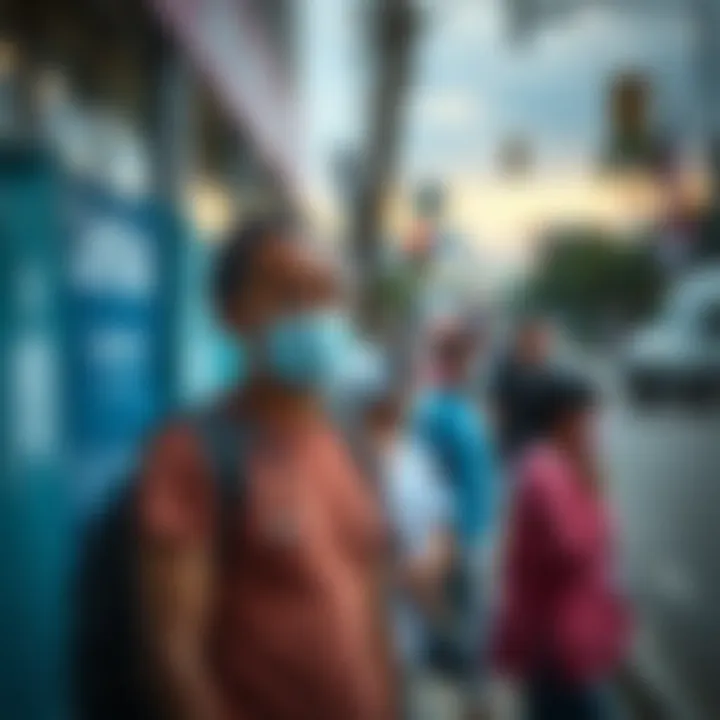
Cultural barriers present another significant challenge for clinics in International City. With a diverse population comprising various nationalities, understanding the cultural context of patients is crucial. Different beliefs around health, illness, and treatment can affect how patients interact with healthcare providers. For instance, some cultures may have strong preferences for traditional remedies or might distrust Western medicine entirely. This can lead to patients being less likely to seek care or adhere to prescribed treatments, which ultimately compromises their health.
Effective communication becomes paramount. Language barriers can obstruct clear conversations between healthcare providers and patients, leading to misunderstandings about medical histories or treatment plans. Clinics must invest in bilingual staff or utilize translation services to bridge these gaps, ensuring a reliable and respectful dialogue.
Furthermore, there is often a need for cultural competence training for healthcare providers. Understanding and respecting a patient’s cultural background can enhance the relationship and encourage open communication. A provider who is aware of cultural sensitivities can significantly improve patient trust and satisfaction.
"Cultural awareness in health care can lead to improved patient satisfaction and health outcomes, making it key to building a solid patient-clinic relationship."
Future Prospects for Healthcare in International City
Looking ahead, the future of healthcare in International City holds substantial promise. With a constantly evolving landscape driven by innovations and community needs, several elements will shape the health services available to residents and expatriates alike. Understanding these prospects is crucial for stakeholders aiming to enhance the quality of care, accessibility, and overall health outcomes in this diverse metro.
One key trend is the increasing emphasis on preventive healthcare. The community's focus is shifting from reactive treatment to proactive measures. Clinics are expected to ramp up initiatives ranging from wellness workshops to regular health screenings. This not only benefits individuals but also lightens the load on emergency services, creating a healthier community overall.
In addition, cultural considerations will define healthcare delivery. The blend of various ethnic backgrounds in International City calls for culturally competent care. Future clinics will likely address this by hiring staff who are fluent in multiple languages and possess an understanding of diverse health beliefs and practices. This means providing tailored services that resonate with the cultural nuances of the population.
Emerging Healthcare Trends
Among the notable trends impacting healthcare in International City is the rise of health and wellness awareness. More residents are becoming conscious of health issues and are actively seeking information about proper nutrition, fitness, and mental wellness. Local clinics are responding with tailored approach that includes:
- Workshops on Nutrition: Offering sessions that educate citizens on healthy eating habits, suitable for various dietary preferences, including vegetarian or halal foods.
- Fitness Programs: Collaborations with local gyms or wellness centers to facilitate programs that encourage physical activity within the community.
- Mental Health Resources: Increased focus on mental wellness services to address the stress and anxieties often faced by expatriates and their families.
These trends highlight a proactive stance towards comprehensive healthcare management, which can greatly improve overall community wellbeing.
Integration of Technology in Healthcare Delivery
As we advance deeper into the digital age, the integration of technology in healthcare delivery will mark a pivotal shift. In International City, technology will not only streamline operations but also enhance patient experiences significantly. Some key areas of focus may include:
- Telehealth Services: The advent of online consultations has made healthcare more accessible. Patients can seek advice from specialists without the need to travel, saving both time and expense.
- Digital Health Records: Implementing electronic health records (EHRs) will allow for seamless information sharing among clinics. This ensures that each provider has immediate access to a patient's medical history, improving treatment effectiveness.
- Mobile Health Applications: The development of apps that help patients monitor their health, schedule appointments, or receive reminders for medication. This convenience encourages patients to engage more actively with their health management.
The integration of technology into healthcare practices in International City is set to elevate standards, resulting in a more collaborative and efficient system for all.
As healthcare continues to evolve, communities like International City must adapt to emerging trends and technologies to ensure responsive and effective healthcare delivery.
Finale
The analysis of clinics in International City has illustrated the vital role they play in shaping the community's healthcare landscape. With a diverse population consisting of expatriates, tourists, entrepreneurs, and students, the availability of varied medical services is not just a convenience but a necessity. The clinics serve as gateways to essential healthcare services, underpinning the well-being of the residents.
Through examining the services offered, patient experiences, and the challenges clinics face, it becomes apparent that these healthcare facilities are not simply about treating illness. They are pivotal in fostering a healthier community by providing timely access to care, preventive initiatives, and specialized services. The integration of technology enhances their capacity to serve, ensuring that residents can access information and services efficiently.
Summary of Key Findings
- Diversity of Services: Clinics in this region offer a wide range of general and specialized medical services. This caters to the varying health needs of the multicultural population.
- Patient-Centric Approach: Feedback indicates that clinics strive for better patient experiences, implementing systems that prioritize accessibility and satisfaction.
- Challenges Identified: Staffing shortages and cultural barriers present ongoing challenges that clinics must navigate to ensure comprehensive care.
- Emerging Trends: There is a noticeable shift towards incorporating technology in healthcare delivery, enhancing operational efficiency and patient engagement.
"The success of clinics in International City reflects a community's commitment to health and well-being, influenced by factors such as diversity and technological advancements."
Implications for Future Research
Ongoing study in this area is crucial for understanding the evolving healthcare dynamics in International City. Potential avenues for future research could include:
- Impact of Cultural Diversity: Investigating how cultural differences influence healthcare access and patient outcomes could yield insights to improve service delivery.
- Technology Integration: Analyzing the effectiveness of digital tools in enhancing patient care and operational effectiveness might offer avenues for clinic improvements.
- Patient Journey Mapping: Further exploration of the patient experience from access to treatment completion can highlight areas for improvement within the healthcare system.
- Policy and Regulation Effects: Studying changes in healthcare regulations and their impact on clinic operations could help in formulating better strategies to meet community needs.
The findings and discussions presented encapsulate the complexities and nuances of healthcare in International City, paving the path for future inquiries that could lead to improved health outcomes across the community.