Exploring Leerbach Palace: A Historic Gem in Dubai


Intro
Located at the heart of Dubai, the Leerbach Palace stands as a monument to the city’s rich history while displaying the intricate threads of culture interwoven through its grand walls. This remarkable structure, shrouded in timeless elegance, invites travelers and residents alike to explore its storied past and architectural beauty. Once a royal residence, the palace now serves not only as a historical site but also as a vibrant community hub, reflecting the juxtaposition of the ancient and the modern that characterizes Dubai today.
Understanding Leerbach Palace goes beyond its physical attributes; it embodies the cultural and historical evolution of Dubai. From its initial conception to its current status, the palace has faced various challenges and transformations, each leaving an indelible mark on its character. The architectural features are a blend of traditional Emirati elements and modern designs, exemplifying how heritage can converge with contemporary life.
As we journey through this exploration of the palace, we'll uncover the traditions and festivals that echo through its corridors, delve into the artistic expressions that breathe life into its surroundings, and analyze the economic developments that shape its relevance in today’s society. Whether you are an expatriate seeking to understand deeper roots in your new home, a tourist keen on capturing the essence of Dubai's culture, or an entrepreneur scouting for emerging opportunities, the Leerbach Palace presents a unique vantage point from which to witness the city's dynamic growth.
With rich context and compelling narratives, this article will guide you through the various aspects of Leerbach Palace, highlighting what makes it a significant landmark within Dubai's bustling landscape.
The Historical Context of Leerbach Palace
Understanding the historical context of Leerbach Palace provides invaluable insights into its significance as a landmark in Dubai. The palace is not merely a building; it resonates with the stories of eras that shaped the UAE. By exploring its past, we uncover the layers of history interwoven in the tapestry of modern Dubai. This context illustrates not just the architectural ingenuity but also the cultural and political landscapes that influenced its creation and ongoing legacy.
Origins and Early History
Leerbach Palace traces its origins to the late 19th century when Dubai was still an emerging trading port. Built in a time when the region was under the influence of British colonial interests, the palace was originally designed as a summer retreat for local dignitaries. The architectural style combines elements of traditional Islamic design with influences from colonial styles, reflecting the cultural amalgamation present in that era. Residents and visitors might appreciate how the palace captures the essence of Dubai's early aspirations, embodying dreams of prosperity and cultural wealth.
Key Historical Events
Several pivotal moments have marked the history of Leerbach Palace. The palace witnessed significant political gatherings and played an instrumental role during the oil boom of the 1970s that transformed Dubai into a global hub. During this period, the palace became a venue for discussions about the future of the Emirates, attracting influential leaders and scholars. It is said that critical decisions regarding growth and urban planning were forged within its walls. The stories of political diplomacy and economic foresight lend the palace a notable stature in the historical narrative of the UAE.
Influence on Regional Politics
From its inception, Leerbach Palace has been a silent witness to shifts in the political arena of the region. Its strategic location and grandeur made it a natural choice for hosting important diplomatic talks between various leaders of the Gulf. The palace not only served as an emblem of power but also as a bridge for negotiations that were crucial for the stability and development of the UAE. The interactions that took place there contributed to shaping regional alliances and fostering a sense of unity among neighboring countries.
"The palace stands not just as a structure but as a testament to the resilience and ambitions of a burgeoning nation."
In sum, the historical context of Leerbach Palace is vital for understanding both its architectural significance and its role in shaping the sociopolitical landscape of Dubai. It reminds us that every brick in its formidable structure conveys stories of resilience, aspiration, and change.
Architectural Significance of Leerbach Palace
The architectural significance of Leerbach Palace cannot be understated, especially when considering its impact in Dubai's diverse urban landscape. The palace is not just a feast for the eyes; it embodies a narrative that speaks to both the past and the future. Its architecture reflects the rich tapestry of Dubai’s cultural heritage while also contributing to the city's modern skyline. The palace serves as a bridge between tradition and innovation, captivating those who venture ever closer.
Design Characteristics
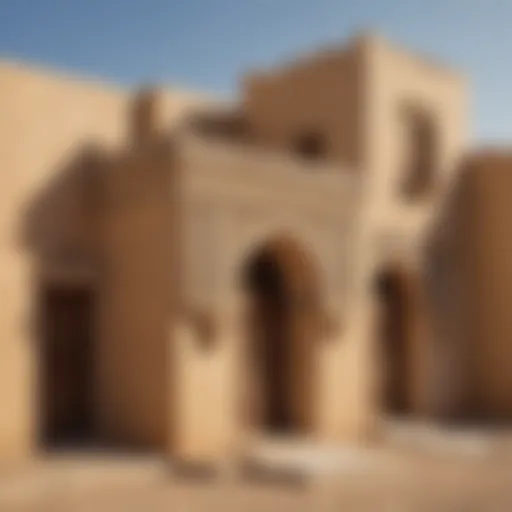
The design of Leerbach Palace is a blend of traditional Middle Eastern motifs and contemporary design elements. Its sprawling layout features intricate arabesques that weave through its façade. The use of elegant arches and towering minarets serves not only an aesthetic purpose but also functional considerations—allowing for better ventilation in the arid climate of Dubai.
A remarkable aspect of the palace's design is how it embraces natural light. Grand, oversized windows flood the interior with sunlight, illuminating the ornate decorations found inside. Visitors can observe beautifully detailed plasterwork and delicate carvings as they roam the halls. Each room tells a different story, melding cultural influences that speak to both local customs and external ideologies. The visual harmony created through symmetry and proportion elevates the experience of walking through the palace.
Materials and Construction Techniques
The construction of Leerbach Palace involved a meticulous selection of materials that harmonized with its overall design ethos. Local limestone forms the primary structural elements, giving the palace a sturdy foundation while ensuring durability against the harsh desert conditions. The artisans sourced marble from various regions, each adding a unique character to the flooring and walls.
Techniques used during construction were groundbreaking for their time. Employing a combination of traditional masonry and modern engineering, builders utilized methods that ensured solidity while allowing flexibility in design. The use of vaults and domes not only creates visually arresting interiors but also enhances the acoustic properties of the palace, allowing sounds to diffuse softly across rooms.
Restoration Efforts
Restoration of Leerbach Palace has been an ongoing commitment, reflecting a dedication to preserving Dubai's heritage. Recent initiatives focus on upholding the structure's historical integrity, while also making it accessible to modern-day visitors. Careful attention to detail is apparent during restoration—each design element is meticulously restored to maintain its original character.


"Preserving the past while embracing the future is the heartbeat of Dubai’s architectural vision."
The restoration teams have implemented sustainable practices, ensuring that materials similar to the originals are utilized, and modern techniques are applied where necessary to bolster the palace's resilience. With plans to enhance visitor experience—such as interactive exhibits focusing on the palace's history—the restoration effort aims not only to preserve but to educate and engage the public.
Cultural Relevance of Leerbach Palace
The cultural relevance of Leerbach Palace extends far beyond its ornate facade and historical narratives; it embodies the soul of Dubai, bridging the past and present while serving as a beacon for cultural enrichment. The palace is not merely a relic; it’s a living, breathing space that plays a significant role in the community’s cultural tapestry. Its significance lies in its function as a symbol of heritage, a venue for cultural events, and a platform for community engagement, each interconnected and reflecting the shifting societal landscapes within Dubai.
Symbol of Heritage
Leerbach Palace stands tall as a symbol of heritage, preserving the stories and artistry of Dubai’s past. Its design reflects a blend of traditional and contemporary architectural styles, embodying the journey of a city evolving from a modest trading port into a bustling metropolis. This palace is a physical reminder of that history, an antidote to the fast-paced modern life that often overshadows the rich narratives of the past.
For many visitors and locals alike, the palace serves as a significant cultural touchstone. It’s a space where generations come together to recollect tales of ancestors and celebrate their shared identity. This is particularly important in a city like Dubai, where the rapid pace of globalization can lead to a sense of cultural displacement. The palace’s very presence helps foster a sense of pride and belonging, as it cultivates awareness of the Emirati culture among expatriates and tourists.
Cultural Events and Programs
The palace doesn’t simply rest idly on its illustrious history; it actively hosts a variety of cultural events and programs aimed at nurturing the cultural landscape of Dubai. From art exhibitions to music festivals, these events are designed to engage diverse audiences and promote understanding among different communities. For example, the annual cultural festival draws families and tourists who immerse themselves in traditional crafts, performances, and cuisines—vibrant showcases that reflect the UAE’s rich tapestry of traditions.
Moreover, workshop initiatives at Leerbach Palace invite local artisans to share their expertise, making traditional crafts accessible to a wider audience while ensuring the continuation of these skills. This dedication to preserving and promoting Emirati culture through educational programs not only enriches participants but also strengthens the community ties.
Community Engagement
At the heart of Leerbach Palace’s mission is its commitment to community engagement. The palace isn’t just a venue for leading cultural events; it’s a hub for local interaction and participation. By hosting community forums and discussions, it encourages residents to voice their opinions and concerns, making it an integral part of civic life. This democratic aspect invites the community to partake in dialogues about the future of their heritage and culture, positioning the palace as a catalyst for change.
Importantly, the palace also fosters inclusivity. By providing a welcoming environment for people from diverse backgrounds, it promotes intercultural dialogue and understanding among expatriates and locals. This engagement not only enriches the cultural offering but also enhances social cohesion, making it a microcosm of Dubai’s larger multicultural society.
In short, the cultural relevance of Leerbach Palace transcends its physical structure. It serves as a bridge linking the past with the present, providing a platform for cultural expression and fostering community involvement. Through its programs and initiatives, the palace plays a pivotal role in defining Dubai's identity, ensuring that its legacy is not just preserved but celebrated and shared by all.
The Modern Role of Leerbach Palace
The significance of Leerbach Palace in today’s context goes beyond its ornate architecture and historical standing. This iconic landmark functions as a dynamic center that marries the past with present-day life in Dubai. It stands not only as a relic of history but also as a pivotal player in the contemporary cultural and social landscape of the city. Let's delve into specific elements that bolster its modern role.
Tourism and Visitor Experience
Leerbach Palace has emerged as a sought-after destination for tourists seeking to uncover the depths of Dubai’s rich past. The palace offers a unique visitor experience that’s hard to match. From informative exhibitions that detail its storied history to guided tours that provide insights into its architectural splendor, the palace is designed to engage visitors fully.
A walk through its grand halls can feel like a trip back in time, showcasing not only the palace's opulent interiors but also its strategic significance in historical narrative. Tourists are greeted with well-curated displays that highlight notable periods in Dubai’s development, fostering a deeper understanding of how the palace has weathered the tests of time. Many visitors, including expatriates and entrepreneurs, find a sense of connection here, bridging their own narratives to that of Dubai’s.
"A visit to Leerbach Palace is not just sightseeing; it’s an experience that adds layers to one’s appreciation of Dubai’s cultural tapestry."
Venue for Significant Events
Significant events hosted at Leerbach Palace add to its modern importance. The palace has transformed into a preferred venue for cultural festivals, art exhibitions, and community workshops, acting as a magnet for creativity. These events aren’t just a few isolated gatherings; they turn the palace into a vibrant hub for cultural exchange.
It is not uncommon to see famous artists, local artisans, and even international figures converge at this historical site for exhibitions or performances. Such gatherings highlight the palace’s role as a facilitator of dialogue among diverse cultures, nourishing the artistic spirit of the city. Engaging the community through these events reinforces the palace's status as more than just a historical landmark; it emphasizes its adaptability to modern needs and interests.
Integration into Urban Development
The integration of Leerbach Palace into the broader urban landscape of Dubai illustrates its role within the city's vision. As Dubai continues to grow and modernize, the palace serves as a vital focal point that balances the rush of urbanization while maintaining its historical essence. This integration manifests visually and functionally, with surrounding developments that complement rather than overshadow the palace.


The contemporary urban planning initiatives aim to create pedestrian-friendly spaces that allow visitors to flow naturally from the bustling city to the palace grounds. This synergy enhances the accessibility of the palace, ensuring that its treasures are available for everyone to enjoy. Furthermore, various sustainability projects exhibit how the palace adapts to modern environmental considerations, ensuring it continues to occupy an invaluable position within the ever-evolving tapestry of Dubai.
In summary, Leerbach Palace has solidified its modern role within the context of tourism, cultural events, and urban development. This historic gem shines in the tapestry of Dubai, revealing stories of the past while illuminating its future.
Visitor Information and Accessibility
Understanding Visitor Information and Accessibility is paramount for anyone planning to explore Leerbach Palace. It serves as a key aspect of fostering an enjoyable and informative experience. It’s not just about knowing where the palace is; it’s about how to get there, when to visit, and what opportunities await. Creating clarity in these areas ensures that tourists, expatriates, and locals can appreciate the palace without hurdles, thus maximizing the value derived from their visit. In a vibrant city like Dubai, where time can often feel fleeting, having this information at your fingertips allows for a seamless integration of heritage exploration into a busy schedule.
Location and Directions
Leerbach Palace is nestled in a strategic locale within Dubai, making it accessible from various parts of the city. Its address is a short stroll away from the bustling areas yet trammeled in historical charm. Specifically, it resides on the edges of Zabeel Park, an area that seamlessly combines nature with urban life. To reach the palace, visitors can use a range of transport options:
- Public Transport: Take the Dubai Metro and disembark at the Al Jafiliya Station. From there, it’s a convenient fifteen-minute walk.
- Driving: Those choosing to drive can find ample parking on-site. Using Google Maps or similar applications will provide the best route based on current traffic conditions.
- Ride-Hailing Services: For added comfort, utilizing services like Uber or Careem can make the journey effortless.
With clear signs and directions available, visitors can easily find their way to this majestic landmark.
Opening Hours and Admission Fees
When planning a visit, it's essential to check the opening hours, as they can differ during public holidays or special events. Generally, Leerbach Palace welcomes visitors from 10 AM to 6 PM, allowing ample time to soak in its rich history. On weekends, the palace might extend these hours, potentially catering to a larger number of visitors.
In terms of admission fees:
- Adults: A nominal fee of 20 AED allows entry, which is a small price to pay for stepping into a treasure trove of cultural history.
- Students and Seniors: Discounted rates often apply, usually around 10 AED, making it accessible for everyone.
- Children under 12: Free entry, encouraging families to explore together.
Above all, it's wise to check their official website or social media pages for any changes in hours or fees to avoid unpleasant surprises.
Guided Tours and Educational Programs
For those eager to dive deeper into the narratives encapsulated within the walls of the palace, engaging in guided tours can be extremely rewarding. These tours are often led by knowledgeable guides who relish sharing anecdotes and facts not found in standard guidebooks. Here’s what to expect:
- Scheduled Tours: Typically conducted several times a day, these tours last around an hour. Participants can expect a comprehensive walkthrough detailing the architecture and historical significance of various features.
- Specialized Programs: Occasionally, workshops or educational sessions are hosted, focusing on topics like traditional Emirati arts or architectural preservation methods. This interactive engagement offers a chance to learn and even participate in activities.
- Group Discounts: Larger groups, such as school trips or corporate outings, may be entitled to special rates. It’s advisable to contact the palace in advance to coordinate arrangements.
Ultimately, participating in a guided tour enriches the visitor experience, transforming what might seem like just a building into a living narrative of a vibrant culture.
"The palace stands as an echo of its past, whispering stories to those who seek to listen."
For additional information, consider visiting Visit Dubai or more in-depth articles on the palace structures at Wikipedia to explore its full significance in Dubai's rich landscape.
Comparative Analysis: Leerbach Palace and Other Landmarks
In the heart of Dubai, Leerbach Palace stands as a unique representation of historical architecture amidst a rapidly modernizing skyline. Understanding the role of this palace in relation to other landmarks in Dubai and broader historical contexts provides a richer perspective on its significance. This comparison highlights how such historical structures carry distinct stories, embodying cultural memories and shared histories that continue to resonate in contemporary society.
Similarities with Other Historical Sites
Leerbach Palace shares numerous characteristics with other significant historical sites across the globe. Like the Alhambra in Spain or the Taj Mahal in India, it showcases meticulous craftsmanship that embodies the artisanal spirit of its time. Both these landmarks, along with Leerbach, mirror a commitment to artistic beauty and functionality. These palaces often serve as assertions of power and cultural heritage, reflecting the aspirations of their creators.
Moreover, similar to the Royal Palace of Brussels, Leerbach Palace emphasizes grandeur in its design. The vast gardens, intricate frescoes, and grand halls found in both serve as a testament to their historical importance. They encapsulate the essence of their respective cultures while providing a physical space for governance and celebration—a true crossroad where design meets functionality.
Imagine walking through these spaces; each corridor in Leerbach echoes with whispers of the past.


It resonates a shared architectural legacy—inviting curiosity and admiration.
Contrasts with Modern Architecture
While Leerbach Palace is an exemplar of historical architecture, it starkly contrasts modern structures that punctuate Dubai's skyline. Take, for instance, the Burj Khalifa. This iconic skyscraper, with its sleek glass exterior and cutting-edge design, symbolizes technological advancement and a vision of the future. However, it lacks the historical narrative ingrained within the walls of the palace.
Moreover, the open spaces of Leerbach Palace, expressive of a bygone era, starkly differ from the compact and vertical nature of contemporary architectural designs. Modern architecture often prioritizes space optimization at the expense of greenery and outdoor leisure areas—elements that are intrinsic to the experience of visiting the palace.
"Buildings are like people; they have stories. Some narrate tales of aspirations reached, others reflect the past with nostalgia."
The grand, sprawling balconies and ornate details of Leerbach stand in sharp contrast to the minimalist aesthetic adopted in many new structures. Each architectural choice in the palace invites visitors to engage with history directly, while modern buildings, often meant to impress, can sometimes serve to alienate the observer from that ephemeral connection to the past.
In summation, the comparative analysis not only enriches the understanding of Leerbach Palace but also enhances appreciation for Dubai's cultural landscape. By examining the similarities and contrasts with other landmarks, the richness of its historical narrative truly comes to life, making it clear that Leerbach Palace is more than just a building—it's a storyteller in a world rapidly forgetting its origin.
Reflections on Preservation and Future Prospects
Preserving landmarks like Leerbach Palace is more than just a nod to nostalgia; it symbolizes a commitment to cultural heritage and identity in a rapidly changing urban environment. As Dubai continues to develop at a dizzying pace, balancing modernization with conservation comes into sharper focus. The palace stands as a living testament not only to the artistry of its era but also to the stories encapsulated within its walls. This section scrutinizes challenges and prospective plans surrounding its preservation, exploring how these dynamics shape the cultural landscape of Dubai.
Challenges in Preservation
The task of conserving Leerbach Palace is riddled with hurdles, each requiring thoughtful strategies and investments. One notable issue is funding; preservation requires substantial financial resources, and budgets can often be tight. Additionally, as development encroaches around the palace, physical threats like pollution and urban degradation loom large. These environmental factors can accelerate deterioration, leading to the decay of both structural and aesthetic aspects.
Furthermore, there is the challenge of public interest and awareness. Many visitors to Dubai may not realize the historical significance of the palace amidst the modern attractions surrounding them. To compound the problem, some segments of the population may prioritize newer developments, believing that only modern architecture holds value. This perception can hinder ongoing preservation efforts and support from local communities.
Moreover, technical complexity can pose a challenge in restoration efforts. The original materials and craftsmanship used in constructing Leerbach Palace are often hard to replicate. Contemporary materials might not align with historical aesthetics or longevity, leading to potential mismatches that could compromise the palace's integrity. As experts navigate these challenges, it’s essential to strike a balance between preserving authenticity and incorporating modern practices that ensure longevity.
Future Development Plans
Looking ahead, plans for Leerbach Palace’s future involve multi-faceted strategies aimed at both conservation and enhancement of visitor experience. One critical aspect is the drive to raise awareness about the palace’s cultural and historical significance among both residents and tourists. Initiatives could involve organizing educational programs, workshops, or even community outreach events that underscore the palace’s role in shaping Dubai’s identity.
Another key plan is to integrate tourism in a way that respects and cherishes the palace’s heritage. Special events, exhibitions, and performances celebrating local history could be hosted within its walls, turning the palace into a vibrant cultural hub. For instance, an annual heritage festival could draw crowds and create buzz, thereby generating funds that could be reinvested into preservation activities.
Preserving Leerbach Palace also could mean collaborating with other historic sites within Dubai, creating a network that attracts visitors interested in the city’s rich history. By promoting these sites as a collective, the importance of each can be magnified, fostering a deeper appreciation and understanding of Dubai’s cultural past.
In essence, preservation transcends mere maintenance. It’s an ongoing endeavor intertwined with community values, tourism potential, and cultural narratives. As such, Leerbach Palace’s future will rely on its ability to coexist harmoniously with Dubai’s modernity while retaining its historical essence. This legacy, if nurtured carefully, can continue to inspire generations to come.
Closure: The Enduring Legacy of Leerbach Palace
The culmination of the insights explored throughout this article reinforces the stature of Leerbach Palace as a pivotal component of Dubai’s cultural and historical narrative. This landmark, far from being just another building on the horizon, serves as a symbol of resilience and heritage in a rapidly evolving urban landscape. Its architectural charm and historical depth resonate beyond mere aesthetics, embedding itself into the identity of Dubai and offering a beacon of continuity amidst the playing field of modernity.
Cultural Impact and Significance
Leerbach Palace is not merely a relic; it embodies a rich tapestry of stories that bridge the past with the present. The palace stands as a cultural touchstone that stirs local pride among residents and attracts international visitors seeking to tap into the essence of Dubai’s heritage.
- Heritage: This site has seen the ebb and flow of history, serving various roles in different eras. Its walls might echo tales of governance and community gatherings, making it a focal point for both celebratory and solemn moments in the city's timeline.
- Art and Culture: Regular events held at the palace, such as art exhibitions and music festivals, cultivate artistic dialogue and promote local talent. Each occurrence strengthens the community, encouraging inclusivity and creative expression.
- Educational Resource: The palace functions as an engaging venue for guided tours and educational programs. Visitors, whether residents or tourists, gain insights into the architectural styles, historical narratives, and cultural values that shaped the palace, sparking a deeper appreciation for the region's past.
"A city's true wealth lies not in its skyscrapers, but in its stories. Leerbach Palace holds the key to Dubai's vibrant history."
The Role in Today's Dubai
In the backdrop of a city that is always on the move, Leerbach Palace occupies a unique position, harmonizing Dubai’s relentless push towards innovation with a respect for tradition.
- Tourism Hub: The palace is a primary stop for travelers looking to delve into the local culture. It stands out in itineraries, often noted for its striking architecture and engaging history, thus drawing a diverse crowd ranging from history buffs to casual tourists.
- Event Venue: Its ability to host significant events—from royal proceedings to corporate gatherings—demonstrates its adaptability. This versatility not only underscores its importance but also contributes to the local economy, enabling businesses to thrive in the surrounding areas.
- Urban Development: As new entities rise around it, such as hotels and shopping complexes, Leerbach Palace remains a central figure, reminding the urban developers of the importance of integrating historical sites into contemporary city planning. This synergy enhances community spirit and presents a balanced urban landscape.
In summary, the legacy of Leerbach Palace is both enduring and evolving. It plays a vital role that reflects the historical essence of Dubai while actively contributing to its present and future. The palace is a reminder that amid modernity, the value of heritage must not be overlooked.